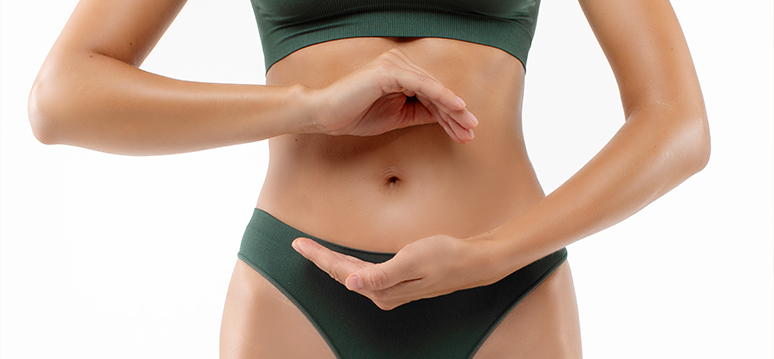
You finally did it. After months—perhaps years—of careful consideration, you took the leap and invested in yourself with a tummy tuck. Your clothes fit better, your confidence is soaring, and you are eager to show off your new, sculpted contour. But as the initial swelling subsides and your energy returns, a burning question arises: When can I get back to the gym? Navigating the landscape of fitness after a tummy tuck (abdominoplasty) can feel like walking a tightrope. On one hand, you want to maintain your spectacular results and capitalize on your newfound motivation. On the other, you are terrified of damaging your healing incisions or tearing the carefully repaired abdominal muscles.
At Memorial Plastic Surgery in Houston, Texas, we understand this delicate balance. Our board-certified surgeons have helped countless patients transform their bodies, and we know that a successful procedure is only half the journey. Proper recovery, combined with a safe, strategic return to exercise, is what locks in those beautiful, long-lasting results.
This comprehensive guide will walk you through everything you need to know about resuming your fitness routine post-tummy tuck, providing a safe roadmap from your first postoperative walk to your triumphant return to high-intensity workouts.
The Physiology of Tummy Tuck Recovery: Why Patience is Mandatory
To understand why a phased return to fitness is non-negotiable, you must first understand what happened during your surgery. A standard abdominoplasty is not just about removing excess skin and fat. For most patients, it also involves muscle plication—the tightening of the abdominal wall muscles that have stretched or separated (a condition known as diastasis recti) due to pregnancy or weight fluctuations.
These muscles are stitched tightly together to create a firm, flat internal corset. If you engage these muscles too forcefully or stretch them too soon, you risk popping these internal sutures. This can lead to a complete reversal of your muscle repair, internal bleeding, or widened, hypertrophic scars on the outside.
Patience isn’t just a virtue here; it is a medical necessity. Healing happens in phases, and your fitness routine must mirror these phases perfectly.
The Phased Roadmap to Fitness After Abdominoplasty
Disclaimer: Every body heals at its own pace, and surgical techniques vary. Always prioritize your specific plastic surgeon’s advice over general guidelines.
Phase 1: Gentle Movement (Weeks 1 to 3)
During the first few weeks, the word “workout” should not even be in your vocabulary. Your body has just undergone major surgery and requires vast amounts of energy to repair tissues, manage inflammation, and fight off potential infections.
- What to do: Focus on light, frequent walking. Start by simply walking around your house for 5 to 10 minutes every couple of hours. This is crucial for preventing blood clots (DVT) and reducing swelling. As you feel stronger, take slow, brief walks around your neighborhood.
- What to avoid: Do not lift anything over 5-10 pounds. Avoid bending, stretching, twisting, and any activity that raises your heart rate significantly. Keep a slight bend in your hips to avoid tension on your incision.
- Actionable Tip: Listen to an audiobook or podcast while you take your short walks to keep your mind engaged without tempting you to push your physical limits.
Phase 2: Introducing Light Cardio (Weeks 4 to 5)
By week four, most patients at Memorial Plastic Surgery are feeling significantly more like themselves. Your incisions will be closed, and your energy levels will be stabilizing.
- What to do: You can begin to incorporate light cardiovascular exercises that do not stress the core. A stationary recumbent bike or slow-paced walking on a treadmill (without an incline) are excellent choices. Keep your exertion level low; you should be able to hold a conversation easily while doing these activities.
- What to avoid: Still no running, jumping, or heavy lifting. Absolutely no core-isolation exercises like sit-ups, crunches, or planks. Avoid stretching your arms far above your head, as this pulls on the abdominal skin.
Phase 3: Rebuilding Strength (Weeks 6 to 7)
Congratulations! You have reached a major milestone. Around the six-week mark, your internal sutures are usually integrated enough to handle mild resistance.
- What to do: You can slowly reintroduce weight training, but focus strictly on isolated arm and leg movements. Seated bicep curls, leg extensions, and hamstring curls are safe ways to rebuild lost muscle tone. Start with lighter weights than you were used to pre-surgery and focus on high repetitions.
- What to avoid: Avoid exercises that require core stabilization. Squats, deadlifts, and standing overhead presses are still off-limits, as they heavily recruit the transverse abdominis. Continue to steer clear of direct ab workouts.
Phase 4: The Grand Return (Weeks 8 and Beyond)
For the vast majority of patients, the eight-week mark signals the green light to gradually resume all normal activities.
- What to do: You can begin jogging, swimming, cycling, and taking group fitness classes. You may also start reintroducing core work. Begin with gentle exercises like pelvic tilts and modified planks before progressing to crunches or pilates.
- What to avoid: Avoid jumping straight back into your pre-surgery routine at 100% intensity. Muscle atrophy has occurred over the last two months. Ramp up your intensity by 10-15% each week to avoid injury.
Fueling Your Recovery: Diet and Hydration
Exercise is only one side of the fitness coin; nutrition is the other. A stunning tummy tuck result is best maintained with a healthy, balanced lifestyle.
- Protein is Paramount: Lean proteins (chicken, fish, tofu, legumes) are the building blocks of tissue repair. Ensure you are consuming adequate protein to help your incisions heal beautifully and to rebuild the muscle mass you lost during your downtime.
- Sodium Control: Excess sodium leads to water retention, which can exacerbate postoperative swelling. Focus on whole foods and avoid highly processed snacks.
- Hydration: Drink plenty of water. Proper hydration flushes out toxins, aids in cellular repair, and keeps your skin elastic and healthy.
Premier Tummy Tuck Care in the Greater Houston Area
At Memorial Plastic Surgery, we proudly serve patients from all over the Greater Houston metropolitan area. Whether you are traveling from Sugar Land, Katy, Cypress, The Woodlands, Pearland, or right here in the heart of Houston, Texas, our team provides comprehensive, concierge-level care.
We don’t just perform your surgery and wave goodbye; we are your partners in recovery. We provide detailed, customized post-operative fitness plans designed around your specific procedure, your lifestyle, and your ultimate aesthetic goals. Local SEO aside, our commitment is to the community we serve, ensuring every patient walks out of our doors empowered, confident, and ready to safely embrace an active life.
TL;DR: Key Takeaways for Fitness After a Tummy Tuck
- Weeks 1-3: Focus solely on rest and short, light walks to promote circulation.
- Weeks 4-5: Introduce low-impact, core-free cardio like a stationary bike.
- Weeks 6-7: Begin light weightlifting focusing strictly on isolated arms and legs (seated).
- Weeks 8+: Gradually resume high-impact cardio and gentle core exercises, scaling up slowly.
- Golden Rule: Protect the muscle repair at all costs. Avoid crunches, heavy lifting, and intense stretching until cleared by your surgeon.
- Nutrition matters: Eat a high-protein, low-sodium diet and drink plenty of water to aid the healing process.
Frequently Asked Questions (FAQs)
Will exercising too soon ruin my tummy tuck results?
Yes, it absolutely can. Straining your core before the internal muscle sutures have healed can cause the repair to fail, bringing back your diastasis recti. It can also cause your incisions to stretch, resulting in wide, unsightly scars, or trigger internal bleeding (hematoma).
When can I start lifting my children again?
Lifting small children uses the same abdominal muscles as heavy weightlifting. Generally, you should avoid lifting anything over 10 pounds (including babies and toddlers) for the first 4 to 6 weeks. Always ask for help from a partner or family member during this crucial phase.
My stomach feels incredibly tight when I walk. Is this normal?
Yes, a sensation of intense tightness is completely normal. Your skin has been pulled taut, and your muscles have been tightened. This is why you will likely walk slightly hunched over for the first week or two. Do not force yourself to stand up completely straight until your body naturally allows it without pulling.
Can I wear a waist trainer at the gym after I recover?
Your surgeon will provide you with a medical-grade compression garment to wear during recovery. Once you are fully healed (usually after 8-12 weeks), you do not strictly need a waist trainer for exercise. In fact, relying heavily on a waist trainer during workouts can weaken your core muscles over time. Focus on natural core strengthening instead.
Conclusion
Recovering from a tummy tuck is a marathon, not a sprint. While the desire to hit the gym and flaunt your new physique is entirely understandable, giving your body the grace and time it needs to heal is the greatest gift you can give yourself. By following a phased approach—starting with gentle walks and slowly building up to weight training and core work—you ensure that your surgical results remain flawless for years to come.
Remember, fitness after a tummy tuck is about reclaiming your body safely and sustainably. Listen to your surgeon, listen to your body, and celebrate every small victory along the way.
Ready to start your transformation? If you are considering a tummy tuck, or if you have questions about your ongoing recovery, contact Memorial Plastic Surgery in Houston, Texas today. Let our expert team guide you toward the confident, active lifestyle you deserve.