

At Memorial Plastic Surgery, we specialize in advanced Breast Augmentation techniques designed to preserve your natural anatomy while enhancing long-term results.
Our Preservé approach focuses on maintaining tissue integrity, minimizing disruption, and delivering outcomes that look and feel naturally yours. By combining precision techniques with innovative technology, we provide a more refined surgical experience with optimized recovery and results.
Not sure if Preservé is right for you?
Get a personalized recommendation based on your goals.
What Is Preservé Breast Surgery?
Preservé Breast Surgery is an advanced approach to breast augmentation that prioritizes the preservation of natural tissue, nerves, and structural integrity.
Unlike traditional methods, this technique minimizes disruption to the breast, allowing for more natural movement, improved sensation, and more sustainable long-term outcomes.
The Preservé Difference
- Targeted preservation of natural breast tissue
- Minimal disruption to nerves and blood supply
- Enhanced precision in implant placementnt muscle manipulation or placement under the pectoral muscle
- Reduced trauma to surrounding structures
- Faster, more comfortable recovery
- Natural-looking shape, movement, and feel
How Preservé Breast Surgery Works
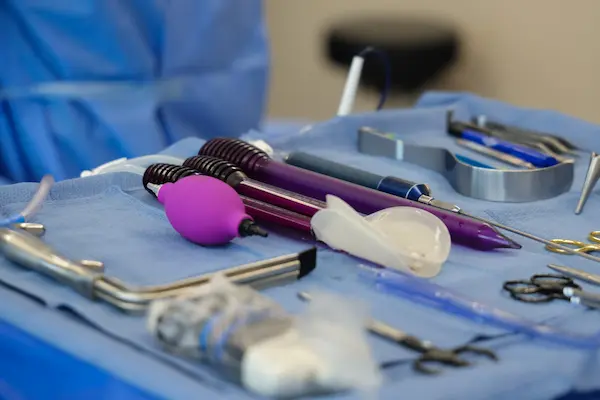
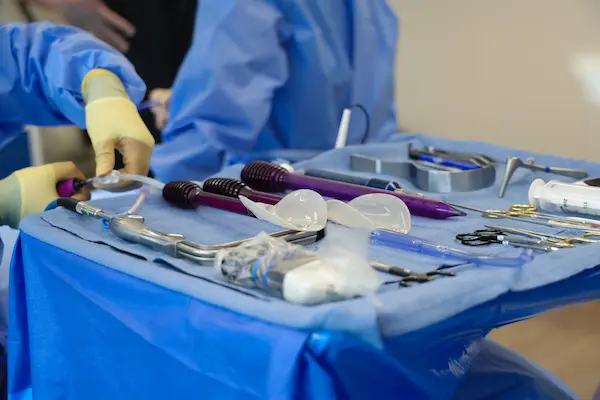
The preservation technique utilizes state-of-the-art instruments and methods to create an implant pocket within the breast while keeping all supporting structures intact:
Precise Incision
A carefully placed incision designed to minimize visible scarring
Ultrasound Guidance
Advanced imaging technology ensures accurate and controlled implant placement
Gentle Dissection
Minimizes trauma to surrounding tissue for improved healing
Balloon Expansion
Creates space for implants while preserving natural structures
Implant Placement
Positioned for optimal symmetry and a natural contour
Minimal Closure
Refined closure techniques reduce tension and support better scar healing
TRANSAXILLARY PRESERVÉ BREAST AUGMENTATION
Refining the PreservÉ Technique Even Further
At Memorial Plastic Surgery, we continuously refine the Preservé technique using advanced surgical tools and precision-driven technology.
This allows us to further enhance outcomes, reduce recovery time, and deliver consistently natural-looking results tailored to each patient.
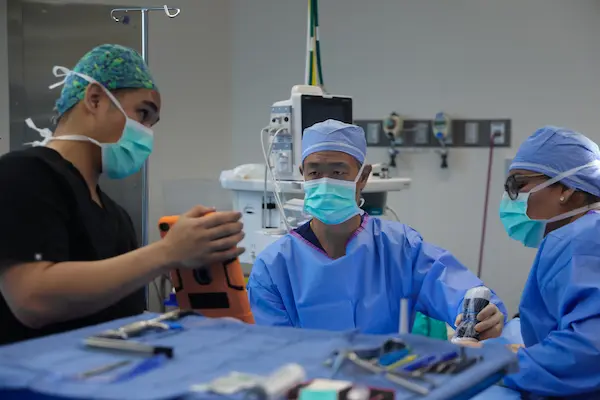
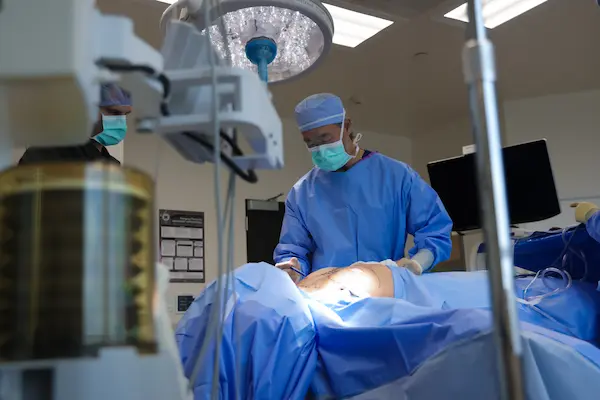
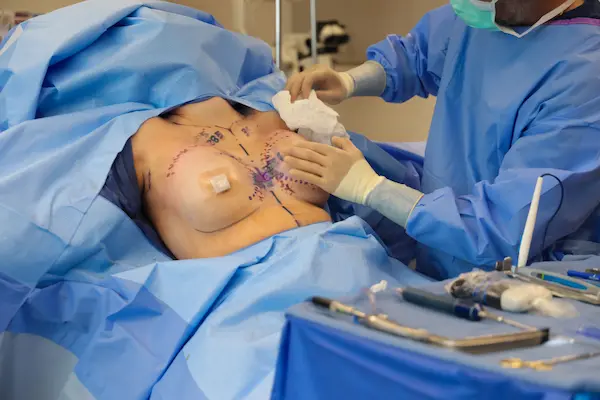
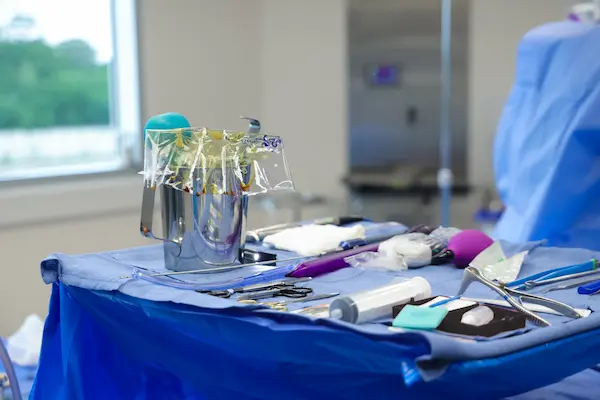
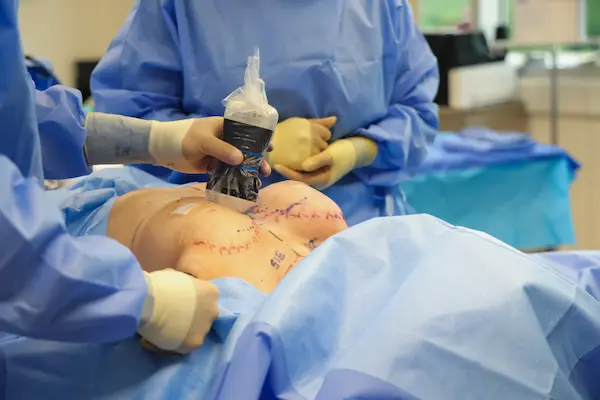
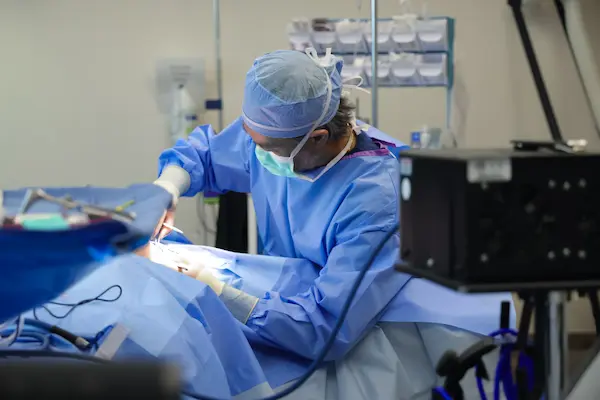
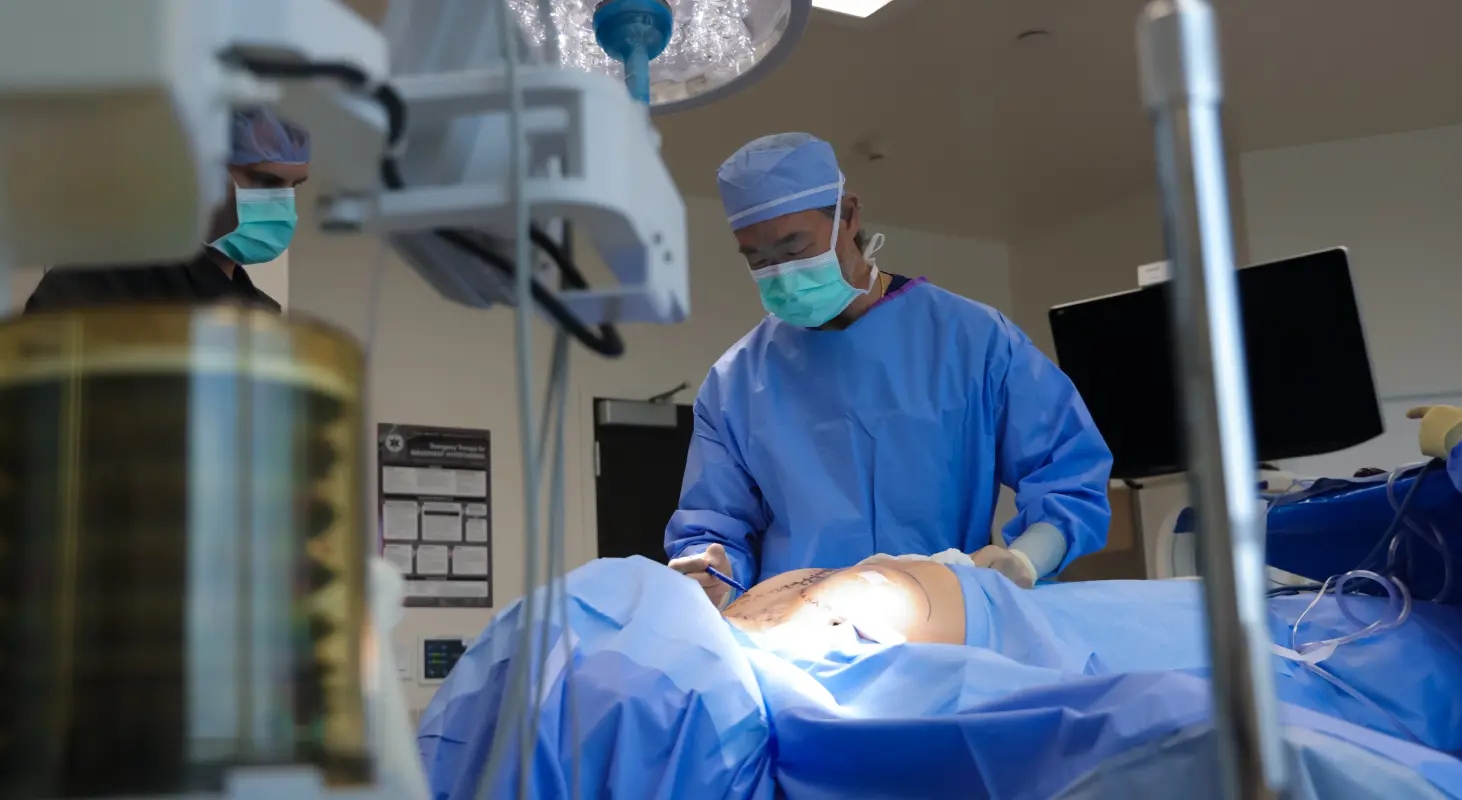
Inside the operating room with Dr. Hsu
A documented look at Preservé Breast Surgery — a minimally invasive technique that preserves natural breast anatomy through a small 2–3 cm incision, ultrasound guidance, and gentle tissue dissection rather than cutting.
Performed by
Patrick Hsu, MD, FACS
Board-Certified Surgeon
PROCEDURE
Preservé Breast Surgery
Minimally invasive breast augmentation
FACILITY
Memorial Plastic Surgery
Houston · Clear Lake, Texas
Contains surgical footage. Recorded with patient consent.
What is Transaxillary Preservé Breast Augmentation?
Transaxillary refers to the incision approach used in breast augmentation, not the technique itself.
Transaxillary Preservé Breast Augmentation is a specialized technique where implants are placed through a small incision in the underarm.
This approach avoids visible scarring on the breast while maintaining the core principles of the Preservé method—precision, minimal disruption, and natural results.
Benefits of Preservé Breast Surgery
Natural Results
Designed to maintain the natural structure of the breast, resulting in enhanced shape, movement, and feel
Faster Recovery
Minimized tissue disruption supports a smoother and more efficient healing process
Reduced Complications
Preservation-focused techniques help lower the risk of certain surgical complications
Improved implant positioning
Enhanced precision allows for better symmetry and long-term stability
Minimal Scarring
Strategic incision placement and refined closure techniques help reduce visible scarring
Preservé Breast Surgery vs. Traditional Augmentation
Preservé Breast Surgery focuses on preserving natural anatomy, while traditional augmentation often involves more disruption to tissue and structure.
This preservation-first approach supports improved recovery, more natural movement, and longer-lasting results.
| Feature | Preservé Breast Surgery | Traditional Augmentation |
|---|---|---|
| Incision Size | 2-3 cm | 4-6 cm |
| Ligament Preservation | Complete | Cut/disrupted |
| Muscle Disruption | None | Significant (submuscular) |
| Bleeding | Minimal to none | Moderate |
| Recovery Time | 3-5 days | 1-2 weeks |
| Animation Deformity Risk | None | Moderate (submuscular) |
| Capsular Contracture Risk | Very low | Higher |
| Sensation Preservation | Excellent | Variable |
| Scarring | Minimal | Moderate |
| Long-term Stability | Excellent | Good |
The Difference
3–5
vs. 1–2 weeks traditional
Ready to experience the Preservé difference?
Your consultation with Dr. Patrick Hsu includes a personal anatomical assessment, 3D imaging options, and a candid discussion of whether Preservé is right for your goals.
- Dr. Patrick Hsu, FACS
- Private & discreet
- No obligation
Ideal Candidates for Preservé Breast Surgery
You may be a candidate if you:
- Want a natural-looking breast augmentation
- Prefer minimal disruption to breast tissue
- Value preservation of sensation and long-term integrity
- Are in good overall health
- Have realistic expectations about results
Frequently Asked Questions
How is Preservé Breast Surgery different from traditional breast augmentation?
Preservé Breast Surgery focuses on preserving natural tissue and minimizing disruption, resulting in a more refined procedure with natural-looking outcomes and potentially faster recovery.
How long do results last?
Results are long-lasting, especially when supported by proper aftercare and a stable lifestyle. Your surgeon will guide you on maintaining optimal results over time.
Will I be able to breastfeed after Preservation Breast Surgery?
Because the technique prioritizes tissue and structural preservation, many patients maintain the ability to breastfeed. However, this can vary by individual.
What size implants will I need?
Most patients experience a smoother recovery compared to traditional methods, with less discomfort and downtime due to reduced tissue trauma.
How painful is recovery?
Discomfort levels vary, but the minimally disruptive approach is designed to reduce overall pain and improve the recovery experience.