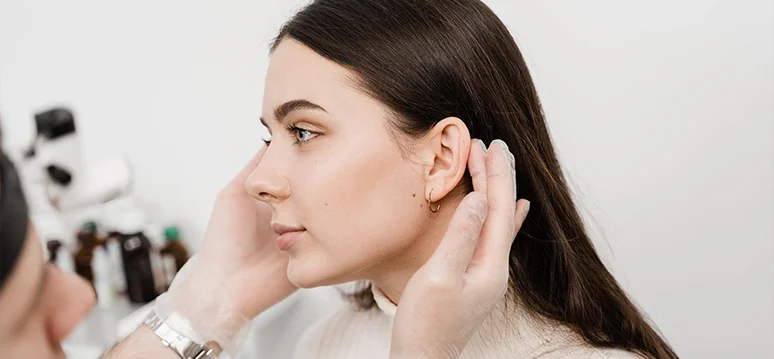
Are Protruding Ears Affecting Your Confidence?
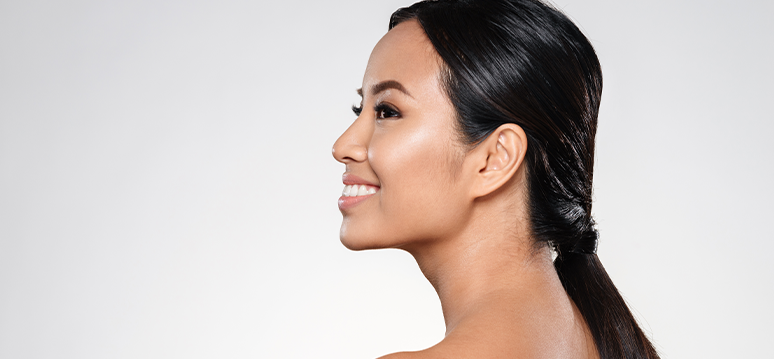
While most people focus on their eyes, nose, or smile when thinking about facial aesthetics, the ears play an equally important role in creating facial balance. When the ears protrude more than usual or appear asymmetrical, they can become a source of self-consciousness for both children and adults.
For some individuals, prominent ears are simply a hereditary trait. Others may have experienced an injury or congenital ear irregularity that affects the shape of the pinna, the visible outer portion of the ear. Regardless of the cause, protruding ears can make people feel uncomfortable in social situations, avoid certain hairstyles, or become the target of teasing during childhood.
Fortunately, otoplasty offers a safe and effective solution. Also known as ear reshaping surgery, otoplasty can reposition, reshape, or resize the ears to create a more balanced, natural appearance that complements your facial features.
At Memorial Plastic Surgeon in Houston, Texas, every otoplasty procedure is carefully tailored to the patient’s unique anatomy and cosmetic goals. Whether you’re seeking treatment for yourself or your child, the goal is always to enhance facial harmony while preserving a natural-looking result.
In this guide, we’ll explain how otoplasty works, what causes protruding ears, what to expect during recovery, and why this procedure continues to be one of the most rewarding facial plastic surgeries available.
What Is Otoplasty?
Otoplasty is a cosmetic surgical procedure that improves the shape, position, or proportion of the ears. It is commonly performed to correct ears that protrude excessively from the head, but it can also address ear asymmetry, misshapen ears, or deformities caused by injury or congenital conditions.
Unlike procedures that dramatically alter facial features, otoplasty focuses on subtle refinements that improve overall facial balance. By repositioning the pinna, the surgery helps the ears appear more proportionate to the head and face.
Otoplasty may involve:
- Repositioning ears closer to the head
- Reshaping the ear cartilage
- Correcting asymmetrical ears
- Reducing overly large ears
- Repairing congenital or traumatic ear deformities
The result is a more balanced profile that often enhances overall confidence without dramatically changing your appearance.
Understanding the Pinna and Its Role in Facial Harmony
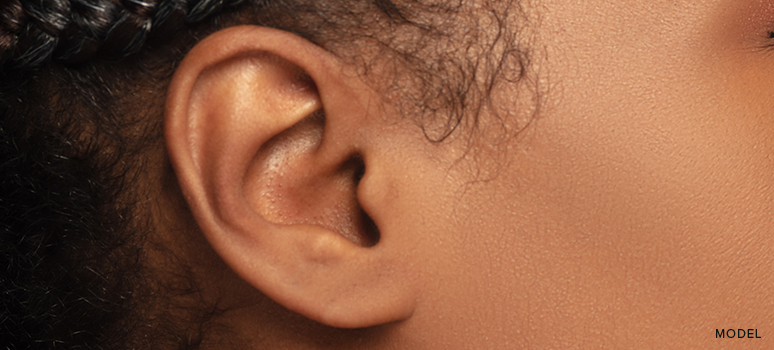
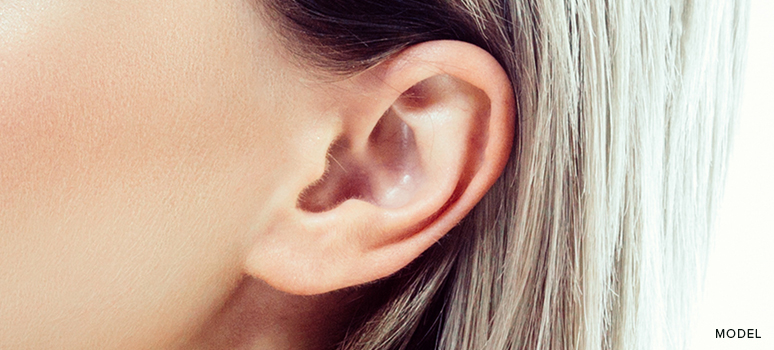
The pinna, also known as the auricle, is the visible outer portion of the ear. Although its primary function is to help collect sound waves and direct them into the ear canal, it also contributes significantly to facial symmetry.
The pinna consists of flexible cartilage covered by skin. Its curves and folds create the ear’s natural appearance.
When the cartilage develops differently than expected, the ears may:
- Stick out farther than normal
- Lack natural folds
- Appear uneven
- Look oversized in proportion to the face
Because the ears frame the sides of the face, even small differences in the pinna’s shape or position can noticeably affect facial balance.
What Causes Protruding Ears?
One of the most common reasons people seek otoplasty is to correct protruding ears.
Several factors contribute to this condition.
Genetics
Most cases are inherited. If one or both parents have prominent ears, their children may also develop a similar ear shape.
Underdeveloped Ear Folds
The antihelical fold—a natural curve within the ear—may be weak or absent. Without this fold, the ears project farther outward.
Enlarged Conchal Bowl
The conchal bowl is the deep central portion of the ear. If it develops larger than average, it can push the ear away from the head.
Congenital Differences
Some children are born with irregular ear shapes or cartilage development that affects the appearance of the pinna.
Injury
Trauma can alter the shape of the ear cartilage, leading to deformities that may be corrected with otoplasty.
Who Is a Good Candidate for Otoplasty?
Otoplasty is suitable for both children and adults.
Children are often candidates once their ears have reached near-full growth, usually around five or six years of age. Performing surgery before children enter school may help reduce teasing and improve self-confidence.
Adults also benefit from otoplasty if they wish to improve ear symmetry or correct lifelong concerns.
You may be a good candidate if you:
- Have protruding ears
- Feel self-conscious about your ears
- Have asymmetrical ears
- Are in good overall health
- Have realistic expectations
- Want long-lasting improvement without frequent maintenance
A consultation at Memorial Plastic Surgeon helps determine whether otoplasty is the right solution for your concerns.
Benefits of Otoplasty Beyond Appearance
Although many patients seek surgery for cosmetic reasons, the benefits often extend far beyond physical appearance.
Improved Facial Balance
Repositioning the ears creates better proportion between the ears, face, and jawline.
Increased Confidence
Patients frequently report feeling more comfortable wearing short hairstyles, ponytails, or hats after surgery.
Reduced Self-Consciousness
Many adults recall years of hiding their ears with hairstyles or avoiding photographs. Otoplasty can eliminate these long-standing concerns.
Long-Lasting Results
Once healed, the results of otoplasty are generally permanent.
Minimal Visible Scarring
Incisions are usually hidden behind the ears, making scars difficult to detect after healing.
What Happens During an Otoplasty Procedure?
Every patient at Memorial Plastic Surgeon receives a customized surgical plan based on their anatomy and goals.
Consultation
During your consultation, your surgeon evaluates:
- Ear shape
- Pinna structure
- Cartilage strength
- Facial proportions
- Medical history
- Cosmetic objectives
Photographs may also be taken to assist with surgical planning.
Surgery
Otoplasty is typically performed as an outpatient procedure.
Depending on the patient’s age and surgical needs, local anesthesia with sedation or general anesthesia may be used.
Small incisions are generally placed behind the ear where they remain well concealed.
Your surgeon may:
- Remove excess cartilage
- Create natural ear folds
- Reshape the pinna
- Secure the ears closer to the head with permanent sutures
The procedure usually takes one to two hours.
Recovery After Otoplasty
Recovery is generally straightforward.
Immediately after surgery, the ears are protected with a soft dressing or head wrap to support healing.
During the first week, patients may experience:
- Mild swelling
- Bruising
- Tenderness
- Temporary numbness
Most discomfort is manageable with prescribed medication.
Recovery Timeline
First Week
- Protective dressing remains in place.
- Rest is encouraged.
- Swelling gradually improves.
Second Week
- Many patients return to school or work.
- A protective headband may be worn during sleep.
Several Weeks
- Swelling continues to decrease.
- Final contours become increasingly noticeable.
Your surgeon will provide personalized aftercare instructions to promote proper healing.
Otoplasty for Children vs. Adults
One of the most common questions is whether otoplasty is better performed during childhood or adulthood.
The answer depends on the individual’s goals and circumstances.
Children
Benefits include:
- Preventing bullying
- Supporting self-esteem
- Earlier correction of congenital ear concerns
Adults
Adults often pursue surgery after years of dissatisfaction with their ear appearance.
Fortunately, otoplasty is highly effective regardless of age, provided the patient is healthy and has realistic expectations.
Why Surgical Expertise Matters
Although otoplasty may appear straightforward, it requires exceptional precision.
The ears must remain:
- Symmetrical
- Natural-looking
- Proportional
- Functional
Even minor differences in cartilage shaping can affect the final result.
At Memorial Plastic Surgeon, careful planning and meticulous surgical technique help achieve balanced outcomes that complement each patient’s unique facial features.
Why Patients Choose Memorial Plastic Surgeon in Houston, Texas
Patients throughout Houston, Texas trust Memorial Plastic Surgeon because of the practice’s commitment to personalized care, advanced surgical techniques, and natural-looking outcomes.
Rather than applying a one-size-fits-all approach, the surgical team carefully evaluates each patient’s facial anatomy, ear structure, and aesthetic goals before developing a customized treatment plan. This individualized approach helps ensure that the repositioned pinna looks proportional to the face while maintaining a natural appearance.
From your initial consultation through post-operative follow-up, Memorial Plastic Surgeon prioritizes patient education, safety, and open communication. Whether you’re seeking ear reshaping for yourself or your child, the team is dedicated to helping you feel confident and informed throughout every step of the process.
Tips for a Smooth Recovery
Following your surgeon’s instructions can help optimize healing and long-term results.
Here are a few tips:
- Wear your headband or dressing as directed.
- Sleep on your back to avoid pressure on the ears.
- Avoid strenuous exercise until cleared by your surgeon.
- Protect your ears from accidental impact.
- Attend all scheduled follow-up appointments.
- Contact your provider if you notice unusual swelling, drainage, or persistent discomfort.
Being patient with the healing process is essential, as final results continue to refine over several weeks.
Conclusion
Protruding ears may seem like a small concern, but they can have a significant impact on self-confidence and overall facial harmony. Fortunately, otoplasty offers a safe, effective, and long-lasting solution by reshaping and repositioning the pinna to create better balance and proportion.
Whether you’re considering ear surgery for yourself or your child, choosing an experienced plastic surgeon is essential to achieving natural-looking results. At Memorial Plastic Surgeon in Houston, Texas, every otoplasty procedure is tailored to the patient’s unique anatomy, ensuring outcomes that enhance confidence while preserving the features that make each individual unique.
If you’ve been thinking about correcting prominent ears, schedule a consultation with Memorial Plastic Surgery to learn how otoplasty can help you achieve a more balanced facial profile and renewed self-confidence.
Frequently Asked Questions
What is otoplasty?
Otoplasty is a surgical procedure that reshapes or repositions the ears to improve their appearance and create better facial balance.
What is the pinna?
The pinna is the visible outer portion of the ear. During otoplasty, the pinna may be reshaped or repositioned to correct protruding or asymmetrical ears.
At what age can someone have otoplasty?
Children are often candidates around five or six years old once the ears have nearly reached their full size. Adults can undergo otoplasty at almost any age if they are healthy.
How long is the recovery after otoplasty?
Most patients return to school or work within one to two weeks, although complete healing and final results continue to develop over several months.
Why choose Memorial Plastic Surgeon in Houston, Texas?
Memorial Plastic Surgeon provides personalized otoplasty procedures using advanced surgical techniques designed to create balanced, natural-looking results while prioritizing patient safety and satisfaction.