Considering breast augmentation is an exciting journey toward enhanced confidence and a sculpted silhouette, but it’s also one that comes with a multitude of questions. From choosing the right implant to understanding the recovery timeline, the process can feel overwhelming. Are you wondering about the safety of breast implants? Curious about how to achieve the most natural-looking results? Concerned about the cost of breast augmentation in Houston, Texas?
You are not alone. This procedure, also known as augmentation mammoplasty or simply a boob job, is one of the most popular cosmetic surgeries worldwide. However, making an informed decision requires detailed, trustworthy information.
As dedicated specialists in the field, the team at Memorial Plastic Surgery in Houston, Texas, understands the importance of clarity and expertise. We serve patients not only in Houston but also in the surrounding communities of Sugar Land, The Woodlands, Katy, Cypress, and Clear Lake, guiding them every step of the way.
Pre-Surgery Essentials: Am I a Candidate and How Do I Prepare?
The journey to an enhanced figure begins with understanding if the procedure is right for you and what steps you need to take before your surgery date.
1. Am I a Good Candidate for Breast Augmentation?
Ideal candidates for breast enhancement are:
- Physically Healthy: You must be in good general health, without any active infections or serious pre-existing medical conditions.
- Have Realistic Expectations: It is vital to have a clear and achievable vision of the results. Your surgeon will discuss what is anatomically possible based on your current body type.
- Emotionally Mature: You should be making the decision for yourself, not to please anyone else.
- Non-Smokers: Smoking significantly impairs healing. Most surgeons, including those at Memorial Plastic Surgery, require patients to quit well in advance of the surgery.
- Finished Breast Development: Your breasts should be fully developed.
2. What Qualifications Should I Look for in a Plastic Surgeon?
This is arguably the most critical question. For your safety and best results, always choose a board-certified plastic surgeon.
- Board Certification: Ensure they are certified by the American Board of Plastic Surgery (ABPS). This confirms they have the necessary training, expertise, and ethical standards.
- Experience: Ask how many breast augmentation procedures they perform annually and if you can view an extensive gallery of before and after photos. Look for results that align with your aesthetic goals.
- Hospital Privileges: Confirm they have privileges to perform the procedure at an accredited hospital or surgical facility. Memorial Plastic Surgery operates in state-of-the-art accredited facilities.
3. What Are the Different Types of Breast Implants?
Choosing the right implant material and shape is key to your final look. Your surgeon will help you decide based on your anatomy and desired outcome.
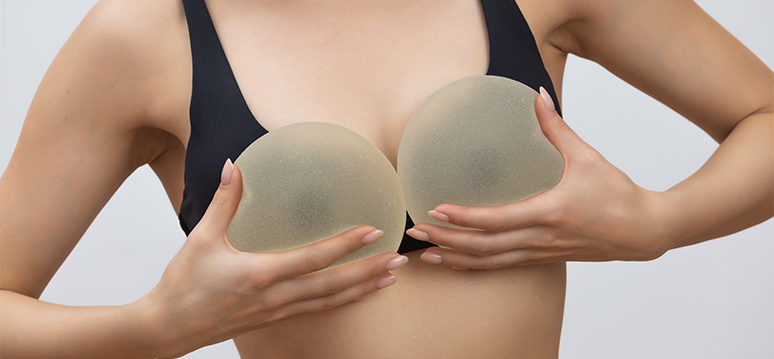
- Saline Implants: These have a silicone shell filled with sterile salt water (saline) after they are placed. They require a smaller incision.
- Silicone Implants: These are pre-filled with a cohesive silicone gel. Many patients and surgeons prefer them for their softer, more natural feel, closely mimicking natural breast tissue.
- Shape: Implants come in round and teardrop (anatomical) shapes. Teardrop implants are sometimes used for a more gradual slope, while round implants often provide more upper pole fullness.
4. How Do I Choose the Right Implant Size and Profile?
Your surgeon uses specialized tools and a thorough physical assessment to determine the best size. It’s a combination of:
- Body Proportions: Ensuring the size complements your overall frame (chest width, height, and hip ratio).
- Existing Breast Tissue: The amount of existing tissue will influence how much an implant can be concealed and supported.
- Aesthetic Goals: Your desired degree of projection (implant profile—low, moderate, or high) and fullness.
The Procedure and Recovery: What to Expect
Understanding the surgical process and what lies ahead during recovery is essential for proper planning and peace of mind.
5. Where Will the Incisions Be Made and Where Will the Implants Be Placed?
Your surgeon will recommend an incision site that allows the best access while minimizing visible scarring:
- Inframammary Fold (IMF): The most common incision, located in the crease beneath the breast. Scars are easily hidden.
- Periareolar: Along the edge of the areola.
- Transaxillary: Through an incision in the armpit.
Implant placement is either:
- Subglandular (Over the Muscle): Placed directly behind the breast tissue but in front of the pectoral muscle. Recovery can be slightly easier.
- Submuscular (Under the Muscle): Placed beneath the pectoral muscle. This is often preferred, especially for thinner patients, as it provides more soft tissue coverage, resulting in a softer, more natural-looking breast augmentation and a lower risk of capsular contracture.
6. How Long Does the Surgery Take?
A typical breast augmentation procedure generally takes about 1 to 2 hours to complete. It is performed under general anesthesia.
7. What is the Recovery Timeline for Breast Augmentation?
Recovery from breast augmentation is typically divided into four main phases:
- Initial Phase (3-5 Days): Expect the greatest discomfort, swelling, and bruising during this time. A caretaker is necessary, and while strict rest is required, light walking is encouraged for circulation.
- Early Phase (1-2 Weeks): Pain significantly subsides and can often be managed with over-the-counter pain relievers. Patients can typically return to light office work but must avoid lifting anything over 5-10 lbs.
- Mid Phase (3-6 Weeks): Swelling continues to decrease, and the feeling of tightness lessens. You can resume moderate activities and gradually reintroduce light exercise, but heavy lifting or high-impact workouts must still be avoided.
- Full Recovery Phase (6 Weeks +): Your surgeon will likely clear you for all normal activities, including strenuous exercise. Keep in mind that the implants will continue to settle and soften, achieving their final, natural-looking results over several months.
8. How Painful is the Recovery?
Discomfort is a normal part of the process, particularly during the first few days. Patients often describe the feeling as a tightness or muscle soreness, especially with submuscular placement. Your surgeon at Memorial Plastic Surgery will prescribe medication and may use long-acting local anesthetics like Exparel to effectively manage your pain and ensure a smooth, manageable recovery.
9. When Will I See the Final Results?
While you’ll notice the size increase immediately, the final, most natural-looking results take time.
- The initial swelling needs to resolve (4-6 weeks).
- The implants need to “drop and settle” into their final position.
- The skin and muscle tissue must relax and adjust to the new size.
Expect the final look to emerge around 3 to 6 months post-surgery.
Long-Term and Financial Planning
Any major elective surgery involves planning for long-term care and the financial investment.
10. How Much Does Breast Augmentation Cost in Houston, Texas?
The cost of breast augmentation in Houston, Texas, varies based on several factors, including:
- Surgeon’s Fee: Reflecting their experience and expertise.
- Implant Type: Silicone implants are generally more expensive than saline.
- Facility Fees: Operating room, anesthesia, and medical supplies.
- Post-operative Garments and Medications: Necessary for proper healing.
In the Houston area, the total cost for a primary breast augmentation typically starts in the range of $7,500 to $10,500. At Memorial Plastic Surgery, we provide transparent pricing and offer various financing options to make your aesthetic goals achievable.
11. How Long Do Breast Implants Last?
Breast implants are not lifetime devices. While modern implants are highly durable, the average lifespan before they may need to be replaced (a procedure called breast revision surgery) or removed is 10 to 15 years. Regular check-ups and screening (like MRIs for silicone implants) are essential to monitor the condition of your implants.
12. Are Breast Implants Safe?
Both saline and silicone implants are FDA-approved and have an excellent safety profile when placed by an experienced, board-certified plastic surgeon. Like any surgical procedure, there are risks, which your surgeon will thoroughly discuss with you. These risks include infection, capsular contracture (scar tissue tightening around the implant), and implant rupture. Choosing an expert like those at Memorial Plastic Surgery is the best way to minimize potential complications.
13. Can I Breastfeed After Breast Augmentation?
In most cases, yes, having breast implants does not significantly impact your ability to breastfeed. The most common incision site (inframammary) and implant placement (submuscular) do not typically interfere with the milk ducts or glandular tissue. However, it is an important topic to discuss with your surgeon, particularly if you plan to have children in the future.
14. What is a “Mommy Makeover”?
A Mommy Makeover is a customizable combination of procedures, often including breast augmentation (with or without a breast lift) and a tummy tuck (abdominoplasty), designed to restore a woman’s pre-pregnancy body. If you have sagging or deflated breasts in addition to wanting increased volume, your surgeon might recommend combining your breast enlargement with a lift.
15. What if I Am Dissatisfied with the Results?
A reputable surgeon is committed to your satisfaction. Choosing a practice like Memorial Plastic Surgery means choosing a team that prioritizes open communication and detailed pre-operative planning. In the rare event of dissatisfaction, or if a complication arises, your surgeon will discuss potential revision options to address your concerns and help you achieve the desired outcome.
Frequently Asked Questions (FAQ)
How soon can I drive after surgery?
Generally, you can resume driving when you are no longer taking prescription pain medication and have full range of motion without discomfort, which typically occurs around 1 to 2 weeks post-surgery.
Will I need an overnight stay?
Breast augmentation is usually performed as an outpatient procedure, meaning you go home the same day. However, it is mandatory that an adult stays with you for the first 24 hours for safety.
Will I lose sensation in my nipples?
Temporary changes in nipple sensation are common—you may experience increased sensitivity, decreased sensation, or numbness. For the majority of patients, this sensation returns to normal within a few months to a year.
Do I need special aftercare products?
Your surgeon will require you to wear a surgical or compression bra 24/7 for several weeks. Additionally, you will be advised on appropriate scar care products once the incisions are fully healed.
Summary and Your Next Steps
The decision to undergo breast augmentation is deeply personal and one of the most rewarding steps you can take for your self-confidence. By addressing the most common questions about candidates, procedure details, recovery, cost, and safety, we hope to have provided a solid foundation of knowledge.
Remember that successful breast enhancement begins with choosing the right partner. For patients in Houston, Texas, and the neighboring cities of Sugar Land, The Woodlands, Katy, Cypress, and Clear Lake, Memorial Plastic Surgery offers unparalleled expertise, personalized care, and a commitment to achieving beautiful, natural results. Our focus on transparent communication and patient education ensures a positive experience from your initial consultation to your final results. Schedule your consultation today!