If you have recently spent time scrolling through cosmetic surgery content on social media—perhaps you even caught the recent trending Instagram Reel discussing the great debate of breast implants over or under the muscle—you know that modern breast augmentation is completely customizable.
Deciding to undergo breast augmentation is an exciting, life-changing journey. You spend hours envisioning your ideal silhouette, trying on different cup sizes, and browsing through countless before-and-after photos. But once you sit down for a consultation, you quickly realize that choosing your implant size and material (silicone vs. saline) is only half the equation. One of the most critical decisions you and your surgeon will make is implant placement: should the implant go over the muscle or under the muscle?
At Memorial Plastic Surgery, located in the heart of Houston and serving patients from Webster, Katy, Sugar Land, The Woodlands, Pearland, and Cypress, we understand that this technical choice can feel overwhelming. The truth is, there is no one-size-fits-all answer. The ideal placement depends heavily on your unique anatomy, aesthetic goals, and lifestyle.
Anatomy 101: Understanding Your Canvas
To fully grasp the “over or under” debate, you first need a basic understanding of chest anatomy. The breast consists of glandular tissue and fat, which sits directly on top of the pectoralis major—the large, fan-shaped muscle covering your upper chest.
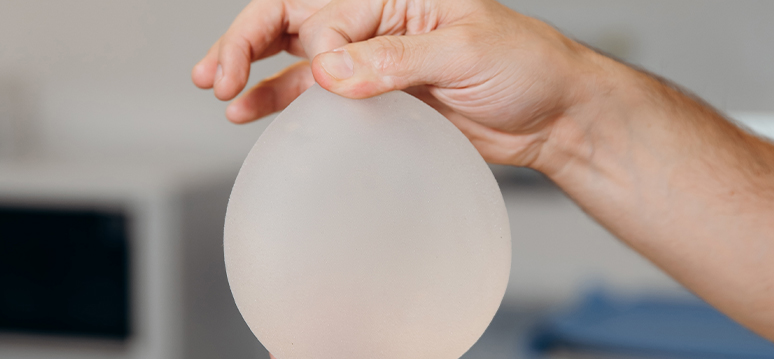
When a plastic surgeon places a breast implant, they create a pocket for it to live in. The location of this pocket relative to the pectoralis major muscle defines whether your implant is “over” or “under.”
- Subglandular (Over the Muscle): The implant is placed directly behind the natural breast tissue but in front of the pectoral muscle.
- Submuscular (Under the Muscle): The implant is placed behind the pectoral muscle, meaning the muscle acts as an additional layer of coverage over the implant.
Over the Muscle: Subglandular Placement Explained
Placing breast implants over the muscle—known clinically as subglandular placement—was once the most common technique and still holds significant benefits for the right candidates. In this method, the implant rests in the exact location where natural breast tissue grows.
The Pros of Over the Muscle
- Shorter, More Comfortable Recovery: Because the surgeon does not need to cut or stretch the pectoral muscle to create the implant pocket, patients generally experience significantly less postoperative pain and a faster return to normal daily activities.
- No “Animation Deformity”: When implants are placed under the muscle, flexing your chest (like when pushing open a heavy door or lifting weights) can cause the implants to shift or distort temporarily. Because over-the-muscle implants are completely separated from the pectoralis, your chest muscles can flex without altering the shape of your breasts.
- Ideal for Sagging Breasts: For women with mild breast ptosis (sagging), placing the implant over the muscle can naturally fill out the loose skin and glandular tissue, sometimes eliminating the need for an accompanying breast lift.
The Cons of Over the Muscle
- Higher Risk of Visibility and Rippling: If you have very low body fat or minimal natural breast tissue, the edges of the implant can become visible beneath the skin. You may also be more susceptible to “rippling,” where the folds of the implant shell can be seen or felt.
- Increased Risk of Capsular Contracture: Studies suggest that subglandular placement carries a slightly higher risk of capsular contracture, a condition where the scar tissue around the implant hardens and squeezes it.
- Mammogram Interference: Implants placed in front of the muscle can obscure breast tissue during routine mammograms, making it slightly more challenging for radiologists to get a clear image.
Under the Muscle: Submuscular Placement Explained
Today, placing the implant under the muscle (submuscular or subpectoral placement) is widely considered the gold standard for many patients, especially those seeking a subtle, natural-looking enhancement.
The Pros of Under the Muscle
- A Softer, More Natural Look: The pectoral muscle acts as a thick, natural “blanket” over the upper portion of the implant. This extra padding smoothly transitions the slope of the upper breast, preventing the “stuck-on” or overly round look that sometimes gives away a breast augmentation.
- Hidden Implant Edges: Because the muscle covers the implant, the risk of visible edges and tactile rippling is drastically reduced. This is why submuscular placement is highly recommended for thin women or those with very little starting breast tissue.
- Better Mammogram Readings: With the implant tucked behind the muscle, radiologists can more easily pull the natural breast tissue forward during a mammogram, resulting in clearer imaging and easier breast cancer screenings.
- Lower Rate of Capsular Contracture: The continuous gentle massage of the pectoral muscle flexing over the implant is believed to keep the pocket soft, statistically lowering the risk of capsular contracture.
The Cons of Under the Muscle
- Longer Recovery Period: Stretching the muscle to accommodate the implant can cause muscle spasms and tightness in the first few days following surgery. You will likely need more downtime and pain management compared to over-the-muscle placement.
- Animation Deformity: As mentioned earlier, because the muscle rests over the implant, strongly engaging your chest muscles can cause the breasts to momentarily shift outward or flatten.
Beyond the Basics: The Dual-Plane Advantage
It is important to note that when modern plastic surgeons talk about “under the muscle,” they are usually referring to a highly specialized technique called Dual-Plane Placement.
In a Dual-Plane augmentation, the upper half of the implant is tucked securely under the pectoral muscle (providing that beautiful, natural upper slope), while the bottom half rests behind the glandular breast tissue (allowing the implant to drop naturally into a beautiful teardrop shape). This hybrid approach offers the best of both worlds, providing muscle coverage where you need it most while minimizing severe muscle distortion.
The Memorial Plastic Surgery Difference: The Preservation Technique
At Memorial Plastic Surgery, our board-certified experts—including Dr. Patrick Hsu, Dr. Kendall Roehl, and Dr. Vasileios Vasilakis—take breast augmentation a step further. We don’t just rely on standard techniques; we utilize our signature Preservation Breast Surgery.
Our surgical philosophy is built on maintaining your body’s natural anatomy as much as possible. Whether placing the implant over or under the muscle, our Preservation technique utilizes micro-incisions (typically 2 to 3 cm—half the size of traditional surgery!). More importantly, we do not sever the crucial suspensory ligaments inside the breast. By preserving your natural breast support system, our patients enjoy long-lasting, perky results with drastically reduced downtime.
Whether you are commuting from nearby Katy or driving in from The Woodlands or Cypress, our state-of-the-art facilities in Houston and Webster are equipped to provide you with world-class, customized care.
Factoring in Your Lifestyle and Anatomy (Actionable Tips)
Still unsure which placement is right for you? Here are a few actionable tips to help guide your decision before your consultation:
- Pinch Test for Tissue Thickness: If you can pinch more than 2 centimeters of skin and tissue on the upper pole of your breast, you might have enough coverage for an over-the-muscle implant. If the tissue is paper-thin, under-the-muscle is likely your safest bet for a natural look.
- Evaluate Your Fitness Routine: Are you an avid bodybuilder, a rock climber, or a competitive athlete who heavily relies on upper body strength? If so, discuss your fitness regimen with your surgeon. Some hardcore athletes prefer over-the-muscle to avoid animation deformity and muscle weakness, while casual gym-goers do perfectly fine with under-the-muscle.
- Assess Your Starting Point: If you have post-pregnancy sagging or weight-loss-related drooping, an over-the-muscle implant might help “fill out” the loose envelope better. However, if your breasts are small but perky, a dual-plane (under the muscle) placement will optimize your natural contours.
Frequently Asked Questions (FAQs)
Does under-the-muscle breast augmentation hurt more?
Generally, yes. Because the pectoral muscle must be stretched to accommodate the implant, the first 3 to 5 days of recovery can feel like an intense chest workout combined with muscle tightness. However, with prescribed pain medication, muscle relaxers, and the advanced Preservation techniques used at Memorial Plastic Surgery, this discomfort is highly manageable and resolves quickly.
How long does it take for implants to "drop and fluff"?
Implants placed over the muscle tend to settle into their final position within a few weeks. Implants placed under the muscle take a bit longer—usually 3 to 6 months—because the tight pectoral muscle needs time to stretch and relax, allowing the implant to “drop” into the lower pole of the breast.
Will implant placement affect my ability to breastfeed?
Implant placement itself (over or under) rarely affects breastfeeding. What matters more is the incision type. Incisions made in the inframammary fold (under the breast crease) or via the transaxillary route (in the armpit) preserve the milk ducts, regardless of whether the implant sits behind the muscle or the gland.
How do I know which one is right for me?
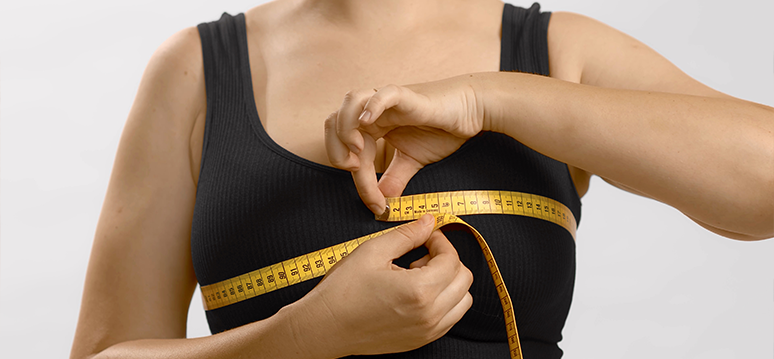
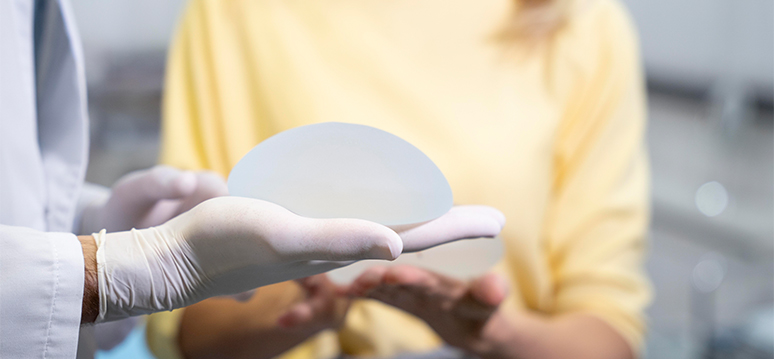
You don’t have to decide alone! A thorough, in-person consultation with a board-certified plastic surgeon is the only way to know for sure. Your surgeon will take precise measurements of your chest width, tissue thickness, and skin elasticity to recommend the perfect placement.
TL;DR: The Ultimate Takeaway
- Over the Muscle (Subglandular): Best for women with sufficient natural breast tissue or mild sagging. Offers an easier recovery and no muscle distortion, but comes with a higher risk of visible implant rippling.
- Under the Muscle (Submuscular/Dual-Plane): Best for thinner women or those with small breasts. Provides the most natural-looking slope, hides the edges of the implant, and improves mammogram visibility. The trade-off is a slightly longer initial recovery.
- The Verdict: Your anatomy dictates the best choice. Let a board-certified professional measure your tissue to determine the safest, most aesthetically pleasing option for your body.
Conclusion: Taking the Next Step in Your Journey
Choosing between breast implants over or under the muscle is not about finding the “best” universal method—it is about finding the best method for you. Your body type, aesthetic desires, and daily lifestyle all play a pivotal role in creating beautiful, seamless results that boost your confidence for years to come.
If you are ready to stop guessing and start planning, the elite team at Memorial Plastic Surgery is here to guide you. Proudly serving Houston, Webster, Clear Lake, Katy, Sugar Land, The Woodlands, Pearland, and Cypress, our board-certified surgeons blend artistry with advanced medical science.
Through our innovative Preservation Breast Surgery, we are committed to giving you a safer procedure, smaller scars, and a faster recovery—no matter which placement you choose.
Ready to enhance your silhouette and unlock your ultimate confidence? Contact Memorial Plastic Surgery today to schedule your private breast augmentation consultation in Houston or Webster, TX. Let us help you design the body of your dreams!