In the world of aesthetic medicine, the search for the perfect solution to restore volume, smooth contours, and rejuvenate the face and body often leads to questions about safety, longevity, and naturalness. Many people are hesitant about synthetic fillers or traditional implants, desiring a more organic approach to achieving their aesthetic goals.
If you’ve found yourself contemplating how to enhance your features—whether plumping up sunken cheeks, augmenting your breasts or buttocks, or smoothing out scars—without introducing foreign materials, you’ve come to the right place.
This comprehensive guide delves into the transformative world of Fat Transfer, also known as Fat Grafting. This innovative procedure is revolutionizing body contouring and facial rejuvenation by utilizing your own excess fat to naturally add volume and definition where you desire it most. We’ll explore exactly what this procedure entails, its myriad benefits, what to expect during recovery, and why choosing an experienced, board-certified plastic surgeon, like those at Memorial Plastic Surgery in Houston, Texas, is the most critical decision you will make.
Understanding the Science: What is Fat Transfer Surgery?
Fat transfer surgery is a sophisticated, three-step cosmetic procedure that harvests fat from one area of your body (the donor site) and meticulously reinjects it into another area that requires volume enhancement or contour correction (the recipient site). Essentially, it’s a two-in-one procedure: you reduce unwanted fat in one area while simultaneously enhancing another.
The procedure is also known by several highly searchable keywords, including autologous fat transfer (meaning the fat comes from the patient’s own body), fat injections, and lipomodelling.
The Three Key Steps:
- Harvesting (Liposuction): The surgeon performs a gentle form of liposuction to remove excess fat—often from areas like the abdomen, flanks, or thighs. This step is critical, as specialized techniques are used to ensure the viability and survival of the fat cells. This unwanted fat is removed through a small incision using a thin tube called a cannula.
- Purification and Processing: The harvested fat is then processed to separate the healthy, intact fat cells from blood, excess fluid, and damaged cells. This purification step, which may involve centrifugation, washing, or filtering, is essential for maximizing the survival rate of the transferred fat cells.
- Grafting (Injection): The purified fat cells are then meticulously injected in tiny, numerous droplets into the target area. This technique, known as micro-droplet injection, ensures that each transferred fat cell has the best chance to establish a new blood supply and survive permanently in its new location.
The Power of 'Natural': Why Choose Autologous Fat Transfer?
The growing popularity of Fat Grafting is largely due to its core benefit: the use of your own natural tissue. This makes the procedure an incredibly appealing alternative to synthetic options.
Key Benefits of Fat Transfer:
- Natural Look and Feel: Because the material being transferred is your own fat, the results feel incredibly soft and natural to the touch, and integrate seamlessly with the surrounding tissue.
- Reduced Risk of Allergic Reactions: Since the fat is autologous (from your own body), there is virtually no risk of rejection or allergic reaction, a concern often associated with synthetic implants or certain fillers.
- Permanent, Long-Lasting Results: Once the transferred fat establishes a new blood supply (a process that takes about six months), those cells are permanent and will behave just like the rest of your fat—they can increase or decrease in size with weight fluctuation. While some initial volume loss is expected, the surviving fat cells provide results that last for years, often a lifetime.
- Dual Body Contouring: You benefit from both the slimming effect of liposuction at the donor site and the volume enhancement at the recipient site, creating an overall more balanced and aesthetically pleasing physique.
- Minimal Scarring: The procedure is performed through tiny incisions for both the harvesting and injection, leading to minimal, easily concealed scarring.
Applications: Where Can Fat Transfer Be Used?
The versatility of fat transfer is one of its most remarkable features. It’s not just for a single area; a skilled plastic surgeon can use it to rejuvenate and enhance almost any part of the body.
1. Facial Fat Grafting (Facial Rejuvenation)
As we age, the face loses volume, leading to hollow temples, sunken cheeks, and deeper lines. Facial fat transfer restores this lost volume for a refreshed, more youthful appearance.
- Common Targets: Cheeks, temples, nasolabial folds, tear troughs (under-eye area), and lips.
- Benefit: Provides a smoother, softer facial contour and can even improve the quality and texture of the overlying skin due to the stem cells contained within the transferred fat.
2. Fat Transfer to the Breasts (Natural Breast Augmentation)
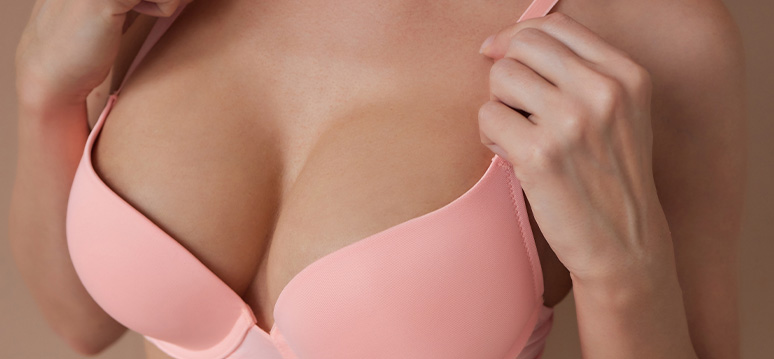
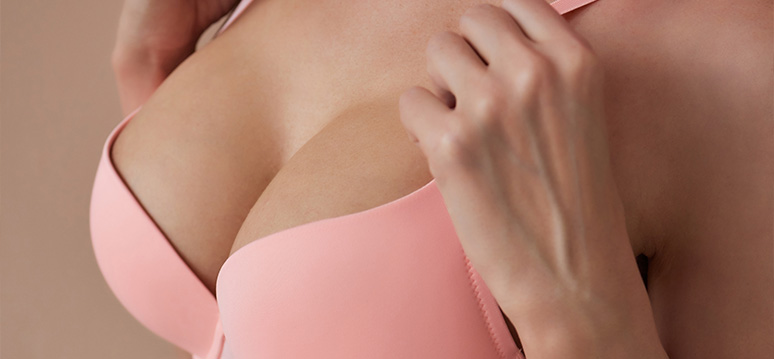
For women seeking a subtle increase in cup size (typically half to one full size) or correction of minor asymmetries without the use of implants, fat transfer breast augmentation is an ideal option.
- Key Advantage: It is a superb option for reconstructive surgery following a lumpectomy or to correct implant rippling, providing a softer tissue layer over the implant.
3. Fat Transfer to the Buttocks (Brazilian Butt Lift – BBL)
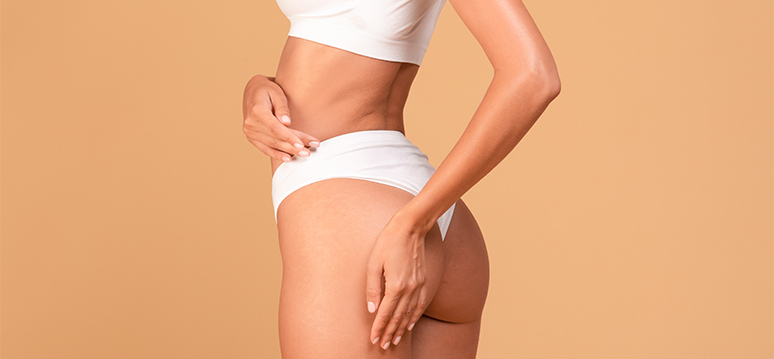
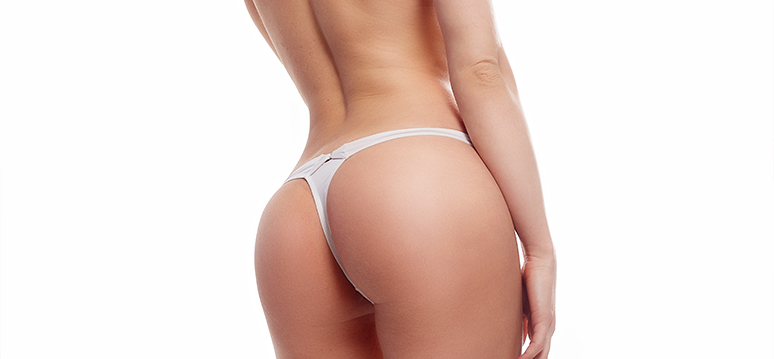
The Brazilian Butt Lift (BBL) is perhaps the most famous application of fat transfer. It involves using liposuction to sculpt the waist, back, and abdomen, and then transferring the purified fat to the buttocks to enhance shape, projection, and overall silhouette.
- Aesthetic Goal: To create a more desirable, hourglass figure by enhancing the butt-to-waist ratio.
The Patient Journey: What to Expect with Fat Transfer
Considering a cosmetic procedure is a significant decision. Knowing the step-by-step journey is essential for setting realistic expectations.
Step 1: Your Consultation with a Houston Expert
Your journey begins with a detailed consultation. At Memorial Plastic Surgery in Houston, Texas, a board-certified plastic surgeon will evaluate your aesthetic goals, discuss your medical history, and, critically, assess your donor sites. To be a good candidate for this procedure, you must have enough excess fat to harvest. This is also your opportunity to ask questions and establish a personalized treatment plan.
Step 2: The Procedure
Depending on the volume of fat being transferred and the area being treated, the procedure can take anywhere from one to four hours and may be performed under local anesthesia with sedation or general anesthesia.
Step 3: Recovery and Post-Operative Care
Recovery for fat transfer involves managing two separate surgical sites: the liposuction donor area and the fat recipient area.
- Donor Site: You will experience bruising, swelling, and soreness. A compression garment is typically required to help reduce swelling and aid in the contouring process.
- Recipient Site: Swelling and bruising are also common. It is crucial to follow all post-operative instructions carefully, especially avoiding direct, sustained pressure on the treated area (e.g., specific sitting restrictions after a BBL).
- Timeline: Most patients return to non-strenuous work within 1 to 2 weeks. Strenuous exercise is usually restricted for about 4 to 6 weeks. The initial major swelling subsides within a few weeks, but the final, stable results are typically seen at the six-month mark after the initial fat resorption has settled.
Fat Transfer in Houston, Texas
If you are researching the best cosmetic surgery options in Southeast Texas, you know that expertise matters. Memorial Plastic Surgery is a premier facility serving the greater Houston metropolitan area, including surrounding cities like Sugar Land, Katy, The Woodlands, Pearland, and Cypress.
Choosing a trusted, local provider for your fat transfer in Houston ensures personalized, in-person consultations, convenient follow-up care, and a surgical team that meets the highest standards of safety and aesthetic excellence. Our surgeons specialize in the latest, most advanced techniques in autologous fat grafting to provide outstanding, customized results for our Texas-based patients.
Mitigating Risks and Ensuring Success: The Surgeon’s Role
While fat transfer is considered a safe procedure, successful long-term results heavily depend on the skill of your plastic surgeon. The primary risk is the unpredictable survival rate of the transferred fat (resorption), which can range from 20% to 90%. An experienced surgeon understands the delicate techniques needed—such as low-pressure harvesting and precise, micro-droplet injection—to maximize fat cell survival and ensure a smooth, lasting contour.
Best Practice Actionable Tips for Optimal Fat Graft Survival
- Stop Smoking: Smoking severely impedes blood flow, which is crucial for the new fat cells to survive. You must quit smoking well in advance of the surgery and during the recovery period.
- Avoid NSAIDs: Stop taking aspirin and ibuprofen for two weeks before the procedure to minimize bleeding and bruising.
- Prioritize Rest: The first week is critical. Minimize activity to allow your body to heal and the blood supply to establish in the transferred fat.
- Manage Pressure: Crucial for BBL: Follow your surgeon’s instructions precisely regarding sitting and sleeping positions to prevent excessive pressure on the grafted fat cells.
Frequently Asked Questions (FAQs) about Fat Transfer
Is fat transfer permanent?
Yes, the transferred fat cells that survive the initial six-month period are a permanent, living part of your body. They will fluctuate in size with any future weight changes, just like your existing fat.
How long is the recovery time?
Initial downtime is typically 7 to 14 days, after which you can usually return to light, non-strenuous work. Final, stable results are typically visible around six months as swelling resolves and fat cell survival stabilizes.
How much fat can be transferred?
The amount depends on the recipient area and your body’s availability of donor fat. For example, fat transfer breast augmentation usually adds up to one cup size, while a Brazilian Butt Lift (BBL) can involve a larger volume for more significant contouring.
Is the fat transfer procedure painful?
Pain is generally well-controlled with prescribed medication. Patients commonly report soreness, tenderness, and bruising, particularly in the liposuction donor area, but not typically severe pain.
Conclusion: Your Journey to Natural, Harmonious Contours
Fat Transfer (or Fat Grafting) offers an unrivaled pathway to achieving natural-looking and permanent body and facial enhancements. By harnessing the power of your own tissue, this procedure allows for a genuine rejuvenation that moves beyond temporary fixes. From smoothing out facial wrinkles to achieving the coveted curves of a Brazilian Butt Lift, it is the gold standard for volume restoration.
If you are ready to explore the transformative possibilities of autologous fat transfer and are looking for a surgeon with meticulous skill and artistic vision, look no further than the experts at Memorial Plastic Surgery. Located right here in Houston, Texas, and serving patients from Sugar Land, Katy, Pearland, and beyond, our practice is dedicated to delivering safe, exceptional, and beautiful results.
Ready to sculpt your ideal self with the most natural material available? Schedule a consultation today!