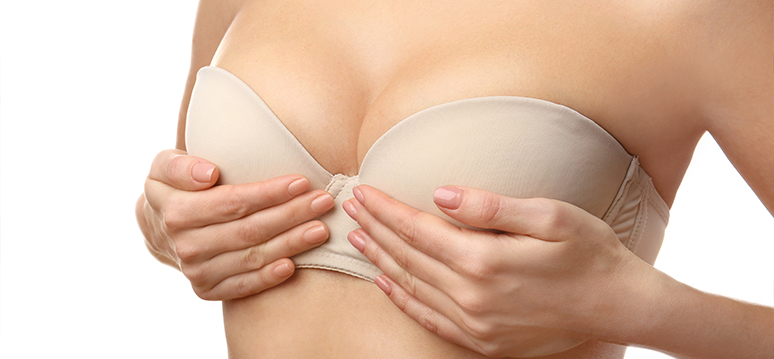
Deciding to undergo breast augmentation is a deeply personal and exciting journey. If you and your surgeon have opted for the transaxillary approach—where the incision is made discreetly in the natural fold of the armpit—you are likely looking forward to beautiful, scar-free breasts. However, you probably also have a pressing question on your mind: What is the recovery process actually like?
Because the transaxillary method requires your surgeon to navigate through the underarm to create the implant pocket, the recovery process is slightly different from other incision types. Arm mobility, scar care, and adjusting your daily routine all require special attention.
At Memorial Plastic Surgery in Houston, Texas, we believe that an informed patient is an empowered patient. Whether you are commuting from Katy, Sugar Land, The Woodlands, or right here in the heart of Houston, this comprehensive guide will walk you through everything you need to know about transaxillary breast augmentation recovery, ensuring you heal beautifully and comfortably.
What Makes Transaxillary Recovery Different?
The transaxillary breast augmentation technique is beloved by patients who want absolutely no visible scarring on the breast itself. By placing a small incision in the axilla (armpit), the surgeon tunnels down to place the implant either over or under the chest muscle.
Because the incision is in the underarm, your immediate recovery will heavily impact how you use your arms. Activities that involve reaching, lifting, or stretching the arms overhead will be strictly limited to prevent stretching the incision site or displacing the newly placed implants.
The Transaxillary Recovery Timeline
Healing is a gradual process. While every woman’s body responds differently to surgery, here is a general timeline of what you can expect during your transaxillary breast augmentation recovery.
Days 1 to 3: The Immediate Post-Op Phase
The first 72 hours are generally the most uncomfortable. You will experience swelling, tightness in the chest, and soreness in your armpits.
- Rest is Non-Negotiable: Plan to stay in bed or a recliner. You must sleep on your back with your head and chest elevated to minimize swelling.
- Arm Movement: Keep your elbows close to your sides (“T-Rex arms”). Do not lift your arms above your shoulders or lift anything heavier than a bottle of water.
- Medication: Take your prescribed pain medications and muscle relaxants exactly as directed by your team at Memorial Plastic Surgery.
Weeks 1 to 2: Turning the Corner
By the end of the first week, you will likely return to Memorial Plastic Surgery for your first post-op follow-up.
- Pain Subsides: Sharp pain usually transitions to a dull ache or tightness. Most women can transition from prescription pain relievers to over-the-counter options.
- Back to Work: If you have a desk job in Houston, Pearland, or Cypress, you may feel ready to return to work. However, jobs requiring physical labor must wait.
- Driving: You can resume driving once you are no longer taking prescription pain medications and can comfortably steer without straining your chest or armpits.
Weeks 3 to 4: Gaining Mobility
Around the one-month mark, you will start feeling much more like yourself. The implants will begin to “drop and fluff,” settling into their natural position.
- Exercise: Light cardio, such as walking around your neighborhood in The Woodlands, is highly encouraged. However, bouncing movements (running, jumping) and upper body weightlifting are still off-limits.
- Incision Care: Your armpit incisions will be healing nicely. Your surgeon may clear you to start using specialized scar gels or silicone tapes to ensure the scar fades into the natural creases of your underarm.
Months 2 to 6: The Final Stretch
Welcome to the easiest part of recovery! By month two, you should be cleared for all normal activities, including upper body workouts and heavy lifting. Your armpit scars will continue to mature, transitioning from pink to a faint, natural skin tone.
Actionable Tips for a Flawless Recovery
To ensure your transaxillary breast augmentation recovery is as smooth as possible, our experts at Memorial Plastic Surgery recommend the following actionable tips:
- Prep Your “Recovery Nest” Before Surgery: Place everything you need at waist level. Because you cannot reach up into cupboards or high shelves, move your daily essentials—like plates, glasses, medications, and toiletries—to the counter.
- Invest in Zip-Up Tops: Raising your arms to pull a shirt over your head will be impossible and painful in the first week. Buy loose, comfortable zip-up or button-down shirts.
- Use Dry Shampoo: Because you cannot lift your arms comfortably, washing your hair will be a challenge. Have dry shampoo on hand, or better yet, treat yourself to a wash-and-blowout at a local Houston salon during your first week!
- Stay Hydrated and Eat Clean: Healing requires energy. Drink plenty of water and eat a diet rich in protein, vitamins, and minerals. Avoid high-sodium foods, which can worsen swelling.
- Wear Your Surgical Bra: Your surgeon will provide a specific compression bra. Wear it exactly as instructed—usually 24/7 for the first few weeks—to support the implants and reduce swelling.
Why Choose Memorial Plastic Surgery?
When it comes to your body, local expertise matters. Memorial Plastic Surgery, located centrally in Houston, TX, is a premier destination for cosmetic enhancements. We proudly serve patients not just from Houston, but from all surrounding areas, including Katy, Sugar Land, The Woodlands, Pearland, and Cypress.
Our board-certified surgeons are highly skilled in the transaxillary approach, utilizing state-of-the-art endoscopic technology to ensure precise implant placement and optimal safety. We don’t just perform a procedure; we partner with you through every step of your journey, providing customized recovery plans and attentive post-operative care so you can confidently step back into your life looking and feeling your best.
Frequently Asked Questions (FAQs)
How long until I can shave my armpits after transaxillary breast augmentation?
You must avoid shaving your armpits for at least 3 to 4 weeks post-surgery. Shaving too early risks introducing bacteria into the healing incision, which can lead to infection. Your surgeon will clear you when it is safe.
Will the scar in my armpit be noticeable?
The goal of the transaxillary approach is to hide the scar in the natural folds of your axilla. Once fully healed and faded (usually around 12 to 18 months), the scar is virtually invisible, especially when your arms are resting at your sides.
Can I use deodorant immediately after surgery?
No. You should avoid applying deodorant, antiperspirants, or lotions near the incision site for at least two weeks, or until your surgeon gives you the green light. Using these products too soon can irritate the incision and delay healing.
When can I start lifting weights again?
Upper body exercises, particularly chest and shoulder workouts, should be avoided for at least 6 to 8 weeks. Always consult with your Memorial Plastic Surgery doctor before resuming any strenuous physical activity.
TL;DR: Key Takeaways for Your Recovery
Short on time? Here are the most critical points to remember about transaxillary breast augmentation recovery:
- The incision is in the armpit, meaning arm movement (reaching, lifting) is strictly limited for the first 1-2 weeks.
- Keep your elbows close to your body (“T-Rex arms”) to avoid stretching the healing incisions.
- Prep your home by moving all essentials to waist level before your surgery day.
- Avoid shaving and deodorant on your underarms until cleared by your surgeon (usually 2-4 weeks).
- Patience is key; full healing and the final “drop and fluff” of your implants can take 3 to 6 months.
Conclusion
Recovering from transaxillary breast augmentation requires a little extra mindfulness regarding how you move your arms, but the reward—beautiful results with zero scarring on the breast itself—is well worth the temporary adjustment. By following your surgeon’s instructions, preparing your recovery space in advance, and giving your body the grace it needs to heal, you will be back to your normal routine before you know it.
If you are considering breast augmentation and want to explore if the transaxillary approach is right for you, Schedule your consultation today!