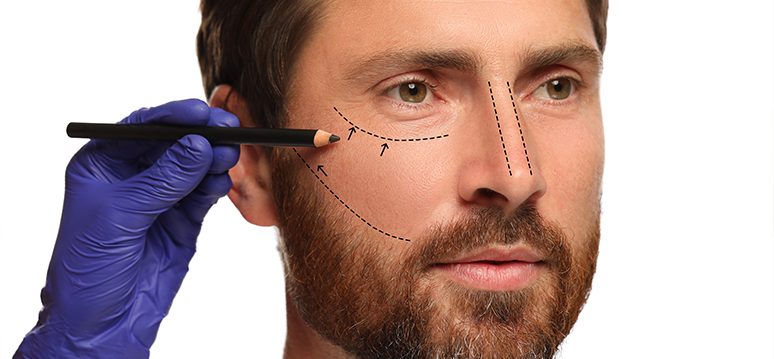
We all know the feeling of looking in the mirror and realizing the reflection staring back doesn’t quite match the youthful energy we feel inside. Over time, gravity, sun exposure, and the natural loss of collagen take their toll. You might start noticing heavy jowls, deep folds around your mouth, or a loss of definition along your jawline and neck. For decades, the traditional facelift was the only answer, but it often came with a major caveat: the dreaded “pulled” or “windblown” look.
Enter the Deep Plane Facelift—the modern gold standard in facial rejuvenation.
If you have been endlessly scrolling through Instagram—perhaps marveling at the stunning, tension-free transformations like the ones we frequently share on our social media reels—you are likely wondering how these patients look 15 years younger without looking like they’ve had “work” done.
What Exactly is a Deep Plane Facelift?
To understand the magic of a deep plane facelift, we must first look beneath the surface of the skin. Your face is made up of multiple layers: skin, fat, and a foundational layer of muscle and fascia known as the SMAS (Superficial Musculoaponeurotic System).
In traditional facelifts, surgeons typically separate the skin from the SMAS, pull the skin tight, and trim away the excess. While this reduces wrinkles, relying on the skin to hold the tension can result in a stretched, unnatural appearance that flattens the midface over time.
A deep plane facelift, however, takes a much more sophisticated approach. Instead of merely pulling the skin, the surgeon goes beneath the SMAS layer. By releasing the retaining ligaments that tether the facial tissues to the underlying bone, the surgeon can lift the entire structural framework of the face—skin, muscle, and fat pads—as one single unit.
Because the underlying muscle and fat are doing the heavy lifting, there is absolutely zero tension placed on the skin itself. The result? A perfectly restored, voluminous, and youthful contour that looks completely natural.
Deep Plane Facelift vs. Traditional Facelift: The Memorial Difference
Why are top-tier surgeons worldwide abandoning older techniques in favor of the deep plane method? Here are the critical differences:
- No “Wind-Swept” Appearance: Because the skin is never pulled tight, your face maintains its natural character. You simply look like a beautifully refreshed version of yourself.
- Restoration of the Mid-Face: Traditional facelifts do very little for the cheeks and under-eye area. The deep plane technique actively lifts the dropped cheek fat pads back up to their youthful position, restoring vital volume to the midface without the need for excessive fillers.
- Better Scar Healing: Tension is the enemy of a fading scar. Because a deep plane facelift places the lifting tension on the deep fascia rather than the skin, incisions heal beautifully and are virtually undetectable once fully healed.
- Longer-Lasting Results: While a standard SMAS lift might last 7 to 10 years, a deep plane facelift boasts superior longevity, often lasting 10 to 15 years or more.
Why Choose Memorial Plastic Surgery?
When it comes to altering your facial anatomy, choosing the right surgeon is not just important—it is everything. The deep plane facelift is a highly complex, technically demanding procedure that requires a masterful understanding of facial anatomy and an artist’s eye for aesthetics.
At Memorial Plastic Surgery, located in the heart of Houston, Texas, our board-certified surgeons specialize in advanced facial rejuvenation techniques. We serve a diverse, discerning clientele from all over the Greater Houston area. Whether you are driving in from Katy, Sugar Land, The Woodlands, Pearland, Cypress, or flying in from out of state, our concierge-level care ensures your experience is seamless, comfortable, and discreet.
We understand that our patients in Texas lead active, busy lives. Our comprehensive surgical plans are designed to optimize your healing, getting you back to your board meetings, social events, and family life with a stunningly refreshed profile.
Are You the Ideal Candidate?
The deep plane facelift isn’t just for patients in their 60s or 70s. In fact, many patients are now opting for this procedure in their late 40s and 50s as a proactive measure against severe aging. You may be an ideal candidate if you experience:
- Severe drooping or “jowling” along the jawline.
- Deep nasolabial folds (smile lines) and marionette lines.
- A loss of volume and hollowing in the cheeks and mid-face.
- “Turkey neck” or significant loose skin and muscle banding under the chin.
- Good overall health and realistic expectations about surgical outcomes.
Actionable Tips: Preparing for and Recovering from Your Surgery
The success of your deep plane facelift doesn’t end in the operating room; your recovery plays a massive role in your final results. At Memorial Plastic Surgery, we guide our patients through every step. Here are some actionable tips to ensure a smooth, rapid recovery:
Before Surgery:
- Optimize Your Nutrition: Focus on a high-protein diet rich in vitamins A and C a month before surgery to prime your body for healing.
- Cease Blood Thinners: Stop taking aspirin, ibuprofen, fish oil, and vitamin E at least two weeks prior to minimize bruising.
- Set Up a Recovery Sanctuary: Create a comfortable space at home with plenty of pillows. You will need to sleep with your head elevated to 45 degrees for the first two weeks.
After Surgery:
- Embrace the Ice (Carefully): Use cold compresses (not directly on the skin) for the first 48 hours to manage swelling.
- Walk it Off: Light, gentle walking around your house the day after surgery promotes blood circulation and prevents blood clots.
- Skip the Sodium: A low-sodium diet post-op is crucial. Excess salt will cause your body to retain water, significantly increasing facial swelling and prolonging your recovery.
- Incorporate Arnica and Bromelain: These natural supplements are fantastic for reducing post-operative bruising and swelling.
Frequently Asked Questions (FAQs)
Does a deep plane facelift hurt?
Surprisingly, most patients report very little pain! Because the procedure lifts beneath the sensory nerves in the deeper tissue planes, patients typically experience feelings of tightness and mild discomfort rather than sharp pain. This is easily managed with prescribed medication for the first few days.
How long is the recovery period?
While you will be up and walking the next day, you should plan for 10 to 14 days of social downtime. By the two-week mark, bruising and swelling have typically subsided enough that you can return to work and run errands with just a little bit of makeup.
Will I have visible scars?
Our surgeons at Memorial Plastic Surgery are meticulous about incision placement. Incisions are carefully hidden within the natural contours of your ear, inside the tragus, and seamlessly into your hairline. Once healed, they are virtually imperceptible, even if you wear your hair pulled back in a ponytail.
Can I combine a deep plane facelift with other procedures?
Absolutely. For comprehensive facial harmony, many of our Houston patients combine their deep plane facelift with a neck lift, upper or lower blepharoplasty (eyelid surgery), or a brow lift.
The Bottom Line: Invest in Your Confidence
Aging is a privilege, but looking your age doesn’t have to be a requirement. The deep plane facelift represents the pinnacle of modern cosmetic surgery—a perfect marriage of structural engineering and aesthetic artistry that restores youth without betraying the fact that you had surgery.
At Memorial Plastic Surgery in Houston, TX, our ultimate goal is to help you align your outer appearance with your inner vitality. Whether you reside locally in Houston, or you are traveling to us from Katy, Sugar Land, The Woodlands, or beyond, we are here to provide world-class surgical expertise in a compassionate, luxurious environment.
Ready to start your transformation? Don’t wait to reclaim your confidence. Contact Memorial Plastic Surgery today to schedule your comprehensive deep plane facelift consultation.