Fat Transfer Breast Augmentation in Houston
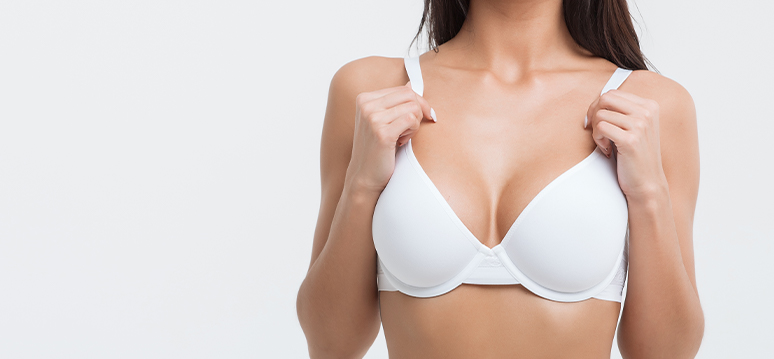
For women interested in enhancing their breast shape without traditional implants, fat transfer breast augmentation in Houston may offer an alternative approach. Also known as breast augmentation with fat grafting, this procedure uses fat taken from another area of the body and transfers it to the breasts.
Unlike implant-based augmentation, fat transfer uses the patient’s own tissue to add volume and create changes in breast contour. Because the procedure can also involve liposuction, it may provide an opportunity to improve the contours of a donor area while enhancing breast appearance.
However, fat transfer breast augmentation is not appropriate for everyone, and the amount of enhancement that can be achieved depends on factors such as available body fat, breast anatomy, skin elasticity, and individual goals.
Understanding how the procedure works, what results may be realistic, and what recovery involves can help you decide whether it is worth discussing with a qualified plastic surgeon.
What Is Fat Transfer Breast Augmentation?
Fat transfer breast augmentation is a cosmetic breast procedure that uses autologous fat, meaning fat taken from the patient’s own body, to increase breast volume or improve breast contour.
The procedure generally involves three main stages:
- Fat harvesting: Fat is removed from a donor area using liposuction.
- Fat processing: The harvested fat is processed to separate suitable fat cells from unwanted fluids and other material.
- Fat injection: The prepared fat is carefully placed into selected areas of the breasts.
Common donor areas may include the abdomen, thighs, hips, or other areas with sufficient excess fat.
The technique allows the surgeon to strategically place fat to address specific areas of the breast. Depending on the patient’s anatomy and goals, the procedure may be used to create modest volume enhancement, improve contour, or address certain asymmetries.
How Does Fat Transfer Compare With Breast Implants?
One of the most important decisions when considering breast augmentation is choosing between fat transfer and breast implants. Each approach has different advantages and considerations, and the appropriate option depends on your anatomy, goals, and preferences.
Fat transfer breast augmentation uses the patient’s own fat instead of an implant. The fat is typically harvested through liposuction from areas such as the abdomen, thighs, or hips. This approach may appeal to patients who prefer an implant-free procedure and want a more subtle increase in breast volume. Because liposuction is part of the process, it can also provide some contouring of the area where the fat is harvested.
Breast implants, on the other hand, use a medical device to increase breast volume. Implants can provide a more predictable and potentially greater increase in breast size compared with fat transfer. They may be an option for patients who want a more noticeable change or who do not have enough available donor fat for grafting.
Another important difference is that some of the transferred fat may be naturally reabsorbed by the body. As a result, the amount of volume retained after fat transfer can vary between patients. With implants, the initial volume of the implant is more predictable, although implants also have their own long-term considerations.
Ultimately, neither option is universally better. A consultation with a qualified plastic surgeon can help determine whether fat transfer breast augmentation or breast implants better match your desired outcome and individual anatomy.
Benefits of Fat Transfer Breast Augmentation
There are several reasons patients may consider fat transfer breast augmentation in Houston.
Uses Your Own Tissue
Because the procedure uses fat from your own body, there is no breast implant involved. Some patients prefer this approach because they do not want an implant as part of their breast augmentation.
Can Enhance Body Contours
Because fat is harvested with liposuction, the procedure can address a donor area while adding volume to the breasts. The potential contouring benefit depends on how much suitable fat can be safely removed.
May Create a Subtle Appearance
Fat transfer can be useful for patients seeking a relatively modest increase in breast volume rather than a dramatic change. The transferred fat can also be placed strategically to refine breast contours.
Avoids Implant Placement
For patients who prefer not to have breast implants, fat transfer provides another option to discuss with a qualified plastic surgeon.
May Improve Certain Asymmetries
In selected patients, fat may be used to improve differences in breast shape or volume. However, perfect symmetry is not always achievable because natural breast asymmetry is common.
Who May Be a Candidate?
Not every patient is an appropriate candidate for fat transfer breast augmentation.
Generally, the procedure may be considered for individuals who:
- Want a modest increase in breast volume
- Prefer an implant-free approach
- Have sufficient areas of donor fat
- Have realistic expectations about the potential results
- Are in appropriate overall health for elective surgery
- Understand that some transferred fat may not survive
Having enough donor fat is particularly important. Unlike implant augmentation, fat transfer depends on having sufficient fat available for harvesting.
During a consultation, your surgeon can evaluate your breast anatomy and donor areas to determine whether fat transfer may be suitable for your goals.
What Happens During the Procedure?
Fat transfer breast augmentation is performed as a surgical procedure and typically involves liposuction followed by fat processing and injection.
The surgeon first identifies an appropriate donor area. After fat is removed, it is processed to prepare the cells for transfer. The purified fat is then carefully injected into different areas of the breast.
Fat placement is performed strategically rather than simply adding volume to one location. The surgeon may use different injection points to help create a balanced contour.
The specific surgical technique, anesthesia, and duration of the procedure depend on the individual treatment plan.
What Can You Expect During Recovery?
Recovery varies from patient to patient and depends on the amount of liposuction performed, the number of areas treated, and the techniques used during the breast augmentation.
Swelling, bruising, tenderness, and temporary changes in sensation may occur during the healing process. These effects can involve both the breasts and the areas where fat was harvested.
Your surgeon will provide postoperative instructions covering topics such as:
- Incision care
- Activity restrictions
- Compression garments, when appropriate
- Medication use
- Sleeping recommendations
- Follow-up appointments
- When to resume exercise and other activities
It is important to follow your surgeon’s instructions carefully and allow your body sufficient time to heal.
The appearance of the breasts can change during recovery as swelling decreases and the transferred fat settles.
Understanding Fat Survival and Long-Term Results
One important consideration with fat transfer breast augmentation in Houston is that not all transferred fat cells necessarily survive.
Some of the injected fat may be naturally reabsorbed by the body during the healing process. The amount of retained fat varies between patients and can be influenced by factors such as surgical technique and individual healing.
Because of this, the final breast volume may be different from the initial postoperative appearance.
Your surgeon should explain what degree of enhancement may be realistic based on your anatomy and available donor fat. In some cases, more than one treatment may be considered to achieve a desired level of enhancement.
The breasts can also change naturally over time due to aging, pregnancy, weight fluctuations, and other factors.
Potential Risks and Considerations
As with any surgical procedure, fat transfer breast augmentation has potential risks and complications. These can include infection, bleeding, changes in sensation, contour irregularities, scarring, asymmetry, fat necrosis, and changes in the amount of retained fat.
There can also be risks associated with liposuction and anesthesia.
A consultation with a qualified plastic surgeon is important so you can discuss your individual risk factors and understand the potential benefits and limitations of the procedure.
Choosing a Fat Transfer Breast Augmentation Surgeon in Houston
If you are researching fat transfer breast augmentation in Houston, choosing a qualified plastic surgeon should be one of your highest priorities.
Look for a surgeon with appropriate training and experience in both breast surgery and fat grafting techniques. Before-and-after photographs may help you understand the surgeon’s approach, although every patient’s results will be different.
During a consultation, consider whether the surgeon:
- Listen carefully to your goals
- Evaluates your individual anatomy
- Explains realistic outcomes
- Discusses alternatives
- Reviews potential risks and complications
- Provides clear recovery instructions
- Answers your questions thoroughly
A personalized consultation can help you determine whether fat transfer, breast implants, or another approach is better suited to your needs.
Frequently Asked Questions About Fat Transfer Breast Augmentation in Houston
1. How much can fat transfer increase breast size?
Fat transfer generally provides a more modest increase than breast implants. The amount of enhancement depends on available donor fat, breast anatomy, the amount of fat that can be safely transferred, and how much of the transferred fat survives.
2. Does fat transfer breast augmentation use implants?
No. Fat transfer breast augmentation uses fat harvested from another area of your body rather than a breast implant.
3. Where is fat usually taken from?
Common donor areas include the abdomen, thighs, hips, and other areas with sufficient excess fat. Your surgeon will determine which area is most appropriate based on your body and treatment goals.
4. How long do fat transfer breast augmentation results last?
Fat cells that successfully establish a blood supply can provide long-lasting volume. However, the breasts can naturally change over time because of aging, pregnancy, weight fluctuations, and other factors.
5. Is fat transfer breast augmentation right for everyone?
No. Patients need sufficient donor fat and must have realistic expectations about the amount of enhancement possible. A consultation is necessary to determine whether the procedure is appropriate.
Is Fat Transfer Breast Augmentation Right for You?
Choosing a breast augmentation technique is a personal decision. Fat transfer may be appealing if you want to enhance breast volume using your own tissue while also contouring an area where excess fat is present.
At the same time, it is important to understand that fat transfer generally provides a more modest and less predictable volume increase than implants. The procedure also depends on having sufficient donor fat and accepting that some transferred fat may be reabsorbed.
If you are considering fat transfer breast augmentation in Houston, schedule a consultation with a qualified plastic surgeon. A personalized evaluation can help you understand your options, determine whether you are a suitable candidate, and establish realistic expectations for your results.