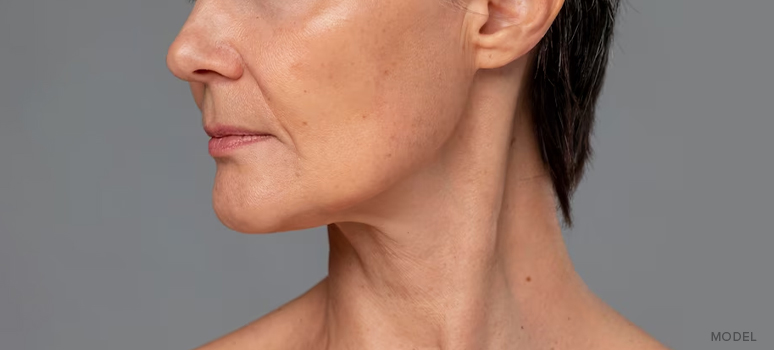
As we age, our skin tends to lose its elasticity, which may result in sagging and the appearance of wrinkles. Many individuals opt for facelift surgery to rejuvenate their appearance and regain their confidence. Facelift incisions are an essential aspect of this cosmetic procedure, and understanding the different techniques and their benefits is crucial when considering a facelift. This article delves into the various facelift incision types and their advantages to help you make an informed decision.
Benefits of Different Incision Types
1. Traditional Facelift Incisions: The Gold Standard
The traditional facelift incision is a time-tested method that has been used by plastic surgeons for decades. It begins at the hairline near the temples, continues around the ears, and ends at the lower scalp. This technique allows the surgeon to reposition the underlying facial muscles and remove excess skin, resulting in a more youthful appearance.
Benefits of Traditional Facelift Incisions
- Comprehensive facial rejuvenation: The traditional incision provides access to all areas of the face, allowing for extensive improvement in facial contours and reduction of sagging skin.
- Long-lasting results: Due to the extensive nature of the procedure, the results of a traditional facelift tend to last longer than those of less invasive techniques.
- Customizable: The traditional facelift incision can be tailored to the individual’s specific needs and desired outcomes.
2. Limited Incision Facelifts: Minimally Invasive Alternatives
For those seeking a less invasive option, limited incision facelifts can offer similar results with a faster recovery time. These procedures involve smaller incisions, usually around the ears and sometimes within the hairline. The surgeon can then lift and tighten the skin to achieve a more youthful appearance.
Benefits of Limited Incision Facelifts
- Quicker recovery time: As the incisions are smaller, the healing process is generally faster, allowing patients to return to their daily activities sooner.
- Less scarring: The smaller incisions result in less visible scarring, making this technique particularly appealing for those concerned about post-surgical marks.
- Suitable for mild to moderate signs of aging: Limited incision facelifts are ideal for individuals with less severe sagging and wrinkles, as the results are less dramatic than those achieved with a traditional facelift.
3. Neck Lift Incisions: Focusing on the Lower Face and Neck
A neck lift is a specialized type of facelift that targets the lower face and neck area. The incisions are typically made around the ears and extend down the hairline or into the hair-bearing skin, allowing the surgeon to reposition the skin and muscles of the neck and jawline.
Benefits of Neck Lift Incisions
- Enhanced jawline and neck definition: The neck lift procedure specifically targets the lower face, resulting in a more defined jawline and a smoother neck appearance.
- Customizable approach: Like the traditional facelift incision, the neck lift technique can be adapted to address the unique needs and goals of the individual patient.
- Can be combined with other procedures: A neck lift can be performed in conjunction with other facial rejuvenation procedures, such as a traditional facelift or eyelid surgery, for comprehensive results.
Face Lift Before and After Photos


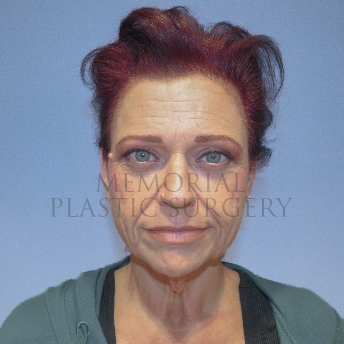



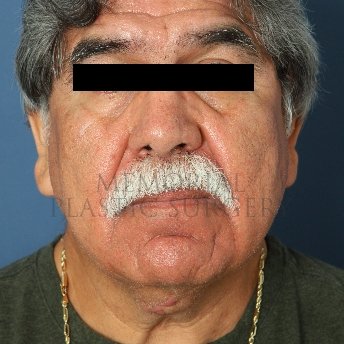
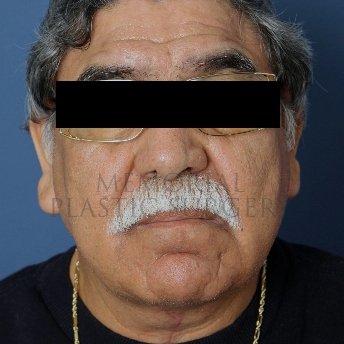
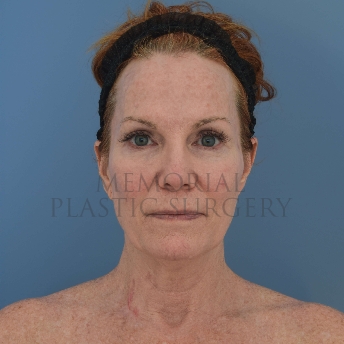

Choosing the Right Facelift Incision for You
Selecting the most suitable facelift incision depends on several factors, including the degree of sagging, the individual’s aesthetic goals, and overall health. A qualified plastic surgeon will evaluate your unique needs and recommend the most appropriate technique to help you achieve your desired outcome.
When considering facelift surgery, it’s essential to do your research and choose an experienced, board-certified plastic surgeon who specializes in facial procedures. During your consultation, discuss your concerns and goals with the surgeon to ensure they understand your expectations. They will assess your facial anatomy, skin elasticity, and overall health to determine the most suitable facelift technique for your needs.
Key Factors to Consider When Choosing a Facelift Incision
- Degree of aging and skin laxity
The severity of sagging and skin laxity will play a significant role in determining the appropriate incision technique. Traditional facelifts are more suitable for individuals with advanced signs of aging, while limited incision facelifts are ideal for those with milder concerns. - Desired outcome
Consider the results you hope to achieve with the facelift procedure. If you’re seeking a dramatic transformation, a traditional facelift may be the best option. However, if you prefer a more subtle improvement, a limited incision facelift or neck lift might be more suitable. - Recovery time and scarring
Each facelift incision technique comes with its recovery timeline and potential for scarring. Be sure to discuss these factors with your surgeon to ensure you’re comfortable with the post-surgical healing process and potential scarring. - Surgeon’s expertise
Choose a plastic surgeon with extensive experience in performing facelifts and a track record of successful outcomes. They should be able to demonstrate their expertise through before and after photos of previous patients and provide testimonials or reviews that attest to their skills.
patient reviews
52 Reviews
“ I was extremely comfortable. He was very professional and gave great recommendations. I would defintely recommend him. ”
by Mattie W. (Verified Patient)
Explore Your Facelift Options with Memorial Plastic Surgery Now
Facelift incisions play a crucial role in the success of the surgery, and understanding the different techniques available is essential when considering this life-changing procedure. By evaluating the key factors mentioned above and consulting with a qualified plastic surgeon, you can make an informed decision that will best suit your unique needs and aesthetic goals. Remember, the right facelift technique can provide long-lasting, natural-looking results that will rejuvenate your appearance and boost your self-confidence.
If you are considering a facelift in Houston, TX, be sure to contact Memorial Plastic Surgery to schedule a consultation with one of our experienced plastic surgeons. Our team can help guide you through the process and create a customized treatment plan to help you achieve your desired results.